

English Cocker Breeder Records: The Life Behind the Puppy Photo
English Cocker Spaniel breeder records
A hopeful search becomes clearer when every reassuring word has something specific behind it.
A puppy photograph makes it easy to imagine an English Cocker at home with you. The breeder’s records help you learn about the parents, their health screening, the puppy’s care and the agreement for bringing them home. Registration or a championship cannot tell you all of that.
We’ll start with the actual parents and read their health reports one dog at a time. Then we’ll separate registration from placement agreements and gather the puppy’s own care history for those first days at home.
Start with one parent’s reports, then the other’s. Keep the puppy’s own veterinary history and everyday routine separate, so you can see what is known about each dog.
A NOTE FROM WATERSEDGE
We read the research, we talk to people who do this work, and we try to make complicated animal-health information easier to understand. What you're reading reflects how we've interpreted and organized what we found. It is educational, not veterinary advice, a diagnosis, or a treatment plan for your animal.
We're not perfect, and neither is the available research. Evidence changes, new work gets published, and what suits one animal may be wrong for another. Species, breed, age, weight and existing conditions all change the answer.
Use this as a starting point for your own reading and for the conversation with your veterinarian, particularly if your animal is on medication, is under treatment, has an existing condition, is pregnant, very young or very old, or if anything about their condition is changing quickly.
01 / First, let’s get to know the actual parents
First, let’s get to know the actual parents
The parents give us a family to learn about, rather than a set of promises attached to a photograph. Ask for the registered names of the puppy’s father (sire) and mother (dam), why the breeder chose that pairing, and how the adults and earlier puppies behave in daily life. Does the breeder focus on field work, showing or another purpose? Which qualities are they selecting?
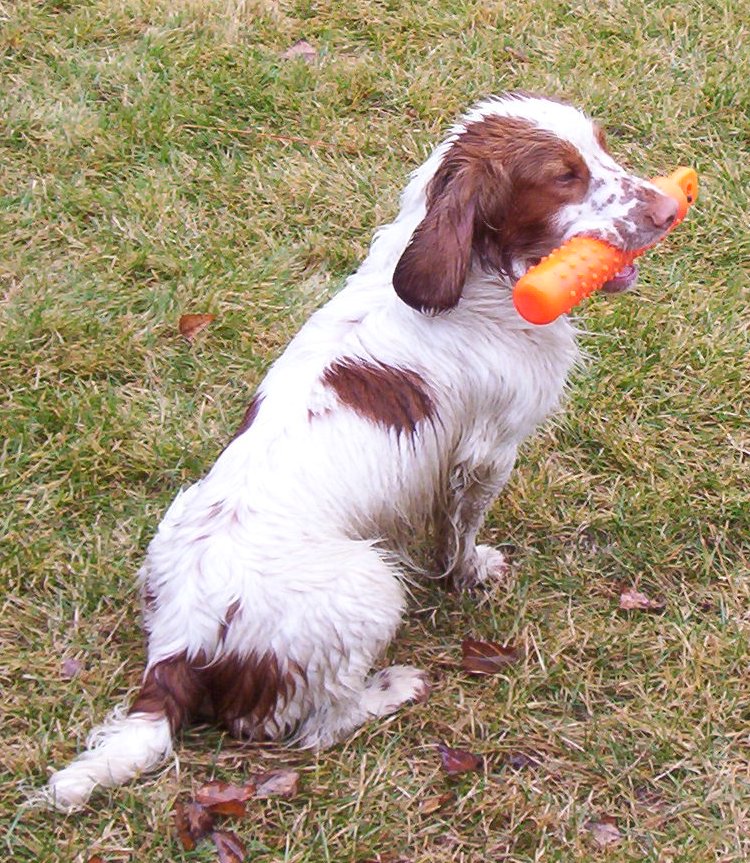
Examples are more useful than promises. How do the adults behave at home? Where have previous puppies settled? Which activities do they share with their families? These observations offer context, not a guaranteed puppy outcome.
Discuss your schedule, other animals, grooming expectations and experience too. When a breeder asks about your household, ask how they think this puppy would fit and what difficulties they would want you to prepare for.
02 / Read health reports one dog at a time
Read health reports one dog at a time
Each report belongs to one dog and answers a particular health question. The English Cocker Spaniel Club of America (ECSCA) distinguishes DNA screening from clinical and other evaluations. Its guidance also discusses additional genetic tests for field backgrounds. Knowing the actual family lines makes those differences easier to discuss.
A DNA result answers a question about the particular genetic variant tested. An examination records what was checked at that time. The club describes annual eye examinations, so check when each eye report was issued.
For each parent, ask:
- Does this report identify the dog named in the pedigree?
- What was tested or examined, when, and by whom?
- What was found, and what does the result leave unanswered?
- If a claim relies on an earlier generation, which dogs and results support it?
A veterinarian or testing organization can explain what a health result means. The breeder can describe relatives’ daily lives, but those observations do not change the laboratory finding.
03 / Registration and contracts have different jobs
Registration and contracts have different jobs
Different documents explain different parts of the arrangement. Registration records a dog with the American Kennel Club (AKC); it does not describe every health assessment. In her AKC reporting, Nandini Maharaj explains that screening breeding parents is also different from examining and caring for their puppy.
In her AKC article, Denise Flaim explains that “pet” and “show” labels reflect a breeder’s assessment against the breed standard. They do not measure a dog’s worth to its family. Limited registration allows activities such as obedience, agility and Rally, but not breed-show competition or registration of offspring. Ask what the proposed terms mean for your puppy.
For a program badge or award, ask who issued it, who received it and what it recognizes. You can appreciate that achievement and still read the records for the actual litter.
The contract needs the same plain-language attention:
- Who owns or co-owns the dog, and what are each party’s responsibilities?
- What do health provisions require, including examinations and deadlines?
- What happens if the household cannot continue keeping the dog?
- What does the breeder promise to provide after placement?
“Lifetime guarantee” may concern health, replacement, returns, or something else. Read the full wording. This article does not establish legal rights or enforceability; a term or dispute needing legal interpretation belongs with qualified advice for the relevant jurisdiction.
04 / Keep the puppy’s own history
Keep the puppy’s own history
A puppy arrives with familiar food, people, routines, and experiences. That little history deserves to travel with it.
Before collection, make a list of the documents to receive and check the puppy’s identification against them. Ask for the exact current food and daily routine in writing, plus the contact for later questions. That leaves the first evening for getting acquainted rather than searching an advertisement for what dinner used to be.

Record the exact food name, how much is offered and eaten, treats, and any veterinary instructions with their source. The American Animal Hospital Association (AAHA) includes diet history in nutritional assessment; having those details ready helps at the puppy’s first appointment.
Ask what grooming and handling the puppy has experienced and how they reacted. A brush, dryer, nail trim and raised surface can feel quite different. “Groomed already” does not tell you which of those the puppy knows.
Keep veterinary and vaccination records beside those everyday details. Ask how to reach the breeder, what aftercare is offered, and how new health information is shared.
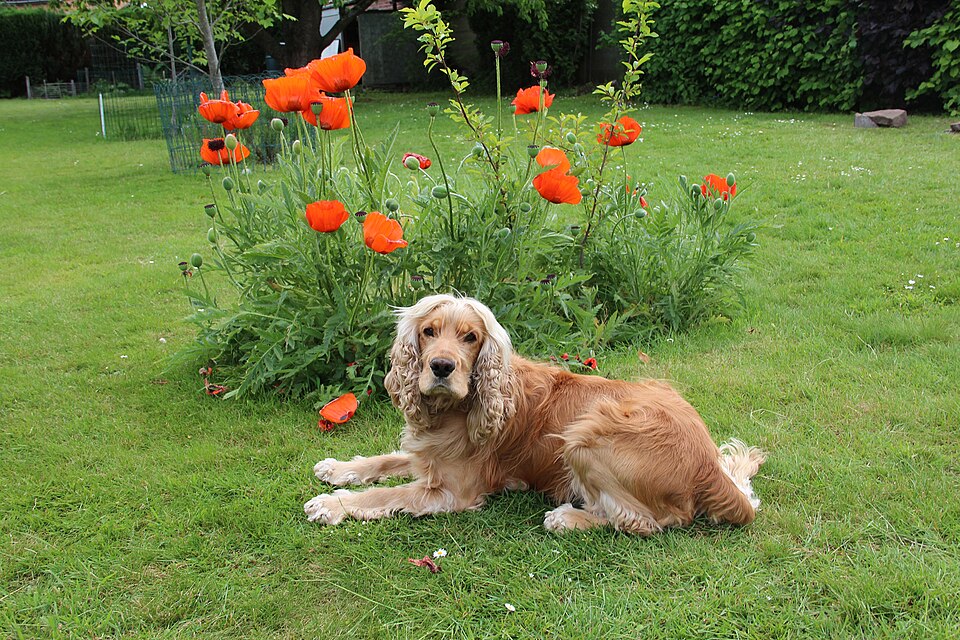
Read one parent’s reports, then the other’s, followed by the puppy’s care history and placement agreement. Which detail would help you feel more prepared for the first days together?
Research details
This article explains documents and program distinctions; it does not vet or endorse any named breeder. Contract discussion is informational and does not establish legal rights or enforceability. The 2023 club screening section, Flaim’s 2021 placement reporting, and Maharaj’s 2024 health-testing reporting answer different organizational and care questions; they do not independently vet this litter.
AAHA’s guideline reports educational grants from Hill’s Pet Nutrition, Inc., Purina Pro Plan Veterinary Diets, and Royal Canin. It combines evidence and expert consensus; it is not a feeding trial in English Cockers.
Sources
-
English Cocker Spaniel Club of America. “Breeder Information.” Original page publication October 10, 2023. Breed-specific screening descriptions.
-
Flaim, Denise. “What Is ‘Pet-Quality’? The Difference Between Show Dogs & Pet Puppies.” American Kennel Club, April 15, 2021. Registration and placement discussion.
-
Maharaj, Nandini. “What Is Health Testing for Dogs?” American Kennel Club, June 6, 2024. Breeding screening and puppy examinations.
-
American Animal Hospital Association. “2021 AAHA Nutrition and Weight Management Guidelines for Dogs and Cats.” June 21, 2021. Guideline introduction.
KEEP EXPLORING
Recommended stories


Photo credits
Photo: Jean-Pol GRANDMONT, via Wikimedia Commons. CC BY 4.0. Whole source frame proportionally resized. Photo source · License

Photo: Floridan at English Wikipedia, via Wikimedia Commons. Creator released all rights. Whole source frame retained. Photo source · License


Photo: Jean-Pol GRANDMONT, via Wikimedia Commons. CC BY 4.0. Whole source frame proportionally resized. Photo source · License

Featured photograph: Jean-Pol GRANDMONT. Photo source. CC BY 4.0. Whole source frame proportionally resized.
Leave a Reply