

The Quiet Work of a Service Dog
A trained task, an ordinary day and a partnership deserving room to work.

A set of keys retrieved from the floor can make an ordinary moment easier. A service dog’s work invites us to appreciate that quiet contribution and to make room for the person and dog sharing the day.
We’ll begin with what makes a dog’s trained work service work, then look at privacy and the rules for different settings. Finally, we’ll turn to the care the working dog needs as part of the partnership.
A service dog’s trained task tells us about their work; a vest does not. Understanding that difference helps us respect the person and dog as they go about their day.
01 / First, let’s understand the trained work
First, let’s understand the trained work
The trained task is the starting point for understanding this partnership. Under the Americans with Disabilities Act (ADA), a service dog is individually trained to do work or tasks directly related to a person’s disability, the U.S. Department of Justice explains. Retrieving objects, guiding or alerting can each help with a particular need.
An animal offering comfort simply by being present is different from a dog trained to perform a disability-related task under the ADA. Both can matter to a person, but the ADA’s service-animal access rules depend on the trained work.
A vest is not required, and an online certificate or commercial registration does not create ADA access rights. People with disabilities may train their own dogs rather than use a professional organization.
02 / Leave room for privacy
Leave room for privacy
Respect for the work includes respect for the person’s privacy. The Department of Justice says staff covered by the ADA may ask two questions when the dog’s work is not obvious. They may not demand a diagnosis, training documents or a task demonstration as a condition of entry.
The permitted questions are:
- Is the dog required because of a disability?
- What work or task has the dog been trained to perform?
Those limits apply to staff deciding access under the ADA. Other people do not need to question a handler about a disability to make room for them.
For other people meeting a team, courtesy is simpler: leave the route clear, avoid distracting the dog and speak to the person. Ask before offering help and accept a declined conversation. The handler may just be buying groceries, not offering a public lesson.
03 / The setting changes the rule
The setting changes the rule
Where the team is going also matters. The Department of Justice’s public-access requirements include house-training and effective control. A leash, harness or tether is generally required unless it interferes with the task or the disability prevents its use; another effective way to control the dog is then needed.
Air travel follows separate U.S. Department of Transportation rules, which permit specified service-animal forms and treat emotional-support animals as pets. Housing has separate rules for accommodation requests too.
A shop-access rule should not be assumed to answer an airline or housing question. Identify the setting and consult the current official requirements for that arrangement.
04 / The dog needs care as well as a job
The dog needs care as well as a job
Alongside the trained work, there is a dog with everyday needs. Food, rest, veterinary attention and ordinary opportunities to be a dog remain part of the partnership. AAHA’s working-dog guidance considers health, pain, medicines and procedures in relation to the tasks an assistance dog performs.
The veterinary team needs to know what the dog actually does, not only the label in the record. Changes in comfort or ability can matter to both partners.
A dog retrieving keys or doing another trained task may make an ordinary day easier for their handler. Giving them room to work, without demanding a conversation, is a simple way to welcome both of them.
KEEP EXPLORING
Recommended stories


Research details
This U.S.-focused article distinguishes ADA public access, DOT air travel, and housing. DOJ's FAQ and service-animal requirements were read as legal explanations, not evidence that every trained alert is medically accurate. The May 2026 HUD memorandum was inspected in a reproduction hosted by Disability Rights Education & Defense Fund; no individual housing rights are determined here. AAHA's 2021 service-dog discussion supplies animal-care context. No team was interviewed or photographed for this story.
Sources
-
AAHA. “Assistance and Therapy Dog Medical Care Considerations” and “Therapy Dogs.” 2021 AAHA Working, Assistance, and Therapy Dog Guidelines, October 14, 2021. Read medical-care section · Read therapy section.
-
U.S. Department of Justice. “Frequently Asked Questions about Service Animals and the ADA.” Updated February 28, 2020. Read source.
- U.S. Department of Justice. “ADA Requirements: Service Animals.” Updated February 28, 2020. Read source.
- U.S. Department of Transportation. “Service Animals.” Current official air-travel guidance inspected October 6, 2026. Read source. Publication or update date not stated in the reviewed material. Reviewed October 6, 2026.
- U.S. Department of Housing and Urban Development, Craig W. Trainor. Enforcement guidance on assessing animal reasonable-accommodation requests under the Fair Housing Act. May 22, 2026; primary memorandum reproduced by DREDF. Read memorandum.
- American Animal Hospital Association. “Assistance Dogs: Service,” 2021 AAHA Working, Assistance, and Therapy Dog Guidelines. October 14, 2021. Read source.
Photo credits
- Lead photograph: IDS.photos from Tiverton, UK / Wikimedia Commons. Original photograph · CC BY-SA 2.0. A yellow Labrador Retriever standing in grass with its tail extended. Illustrative photograph. Not a documented service-dog task.
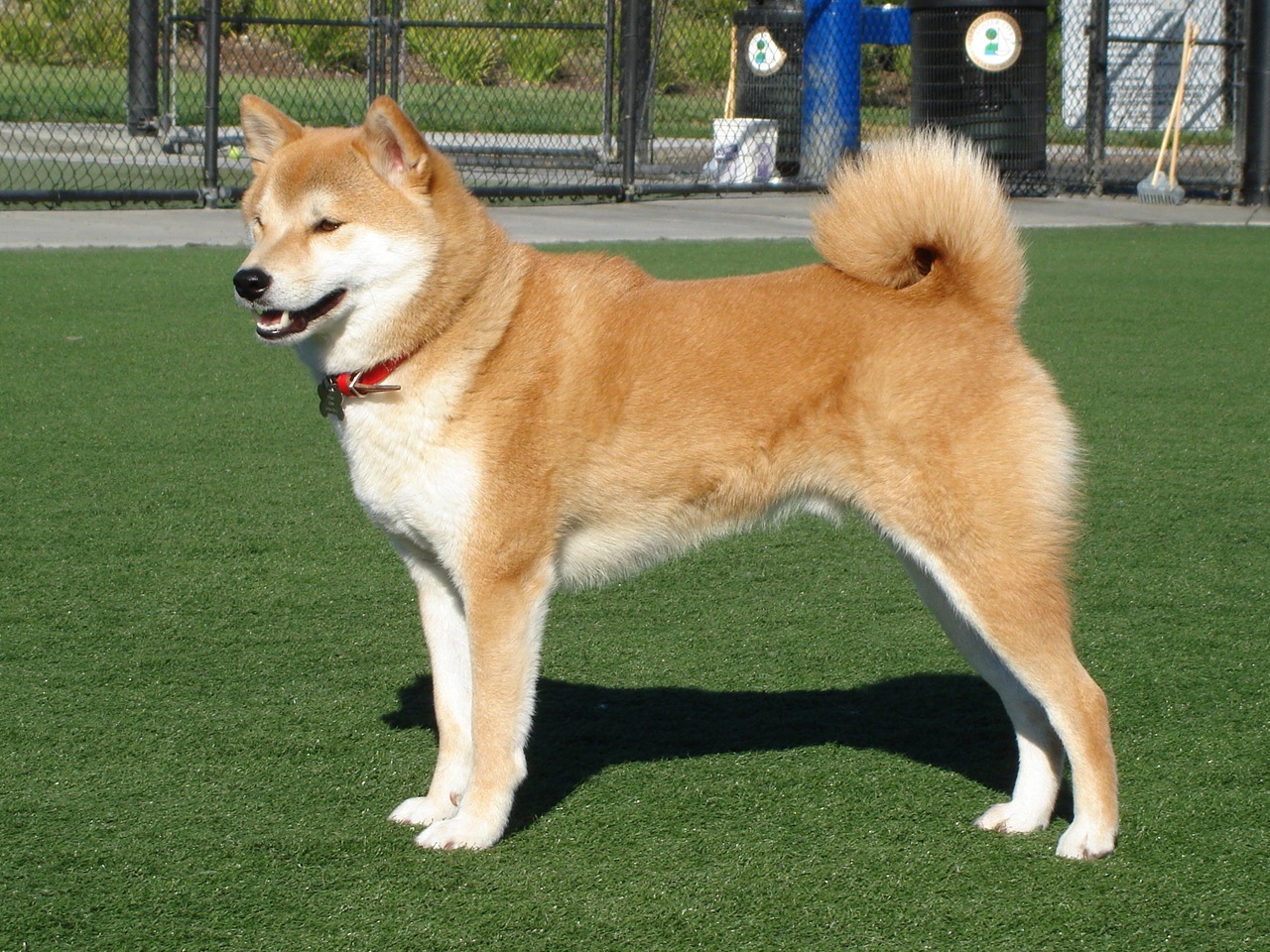
- Supporting photograph: Takashiba at English Wikipedia / Wikimedia Commons. Original photograph · Public domain. A Shiba Inu standing on grass with its tail curled over its back. Illustrative photograph. Not a documented service-dog task.
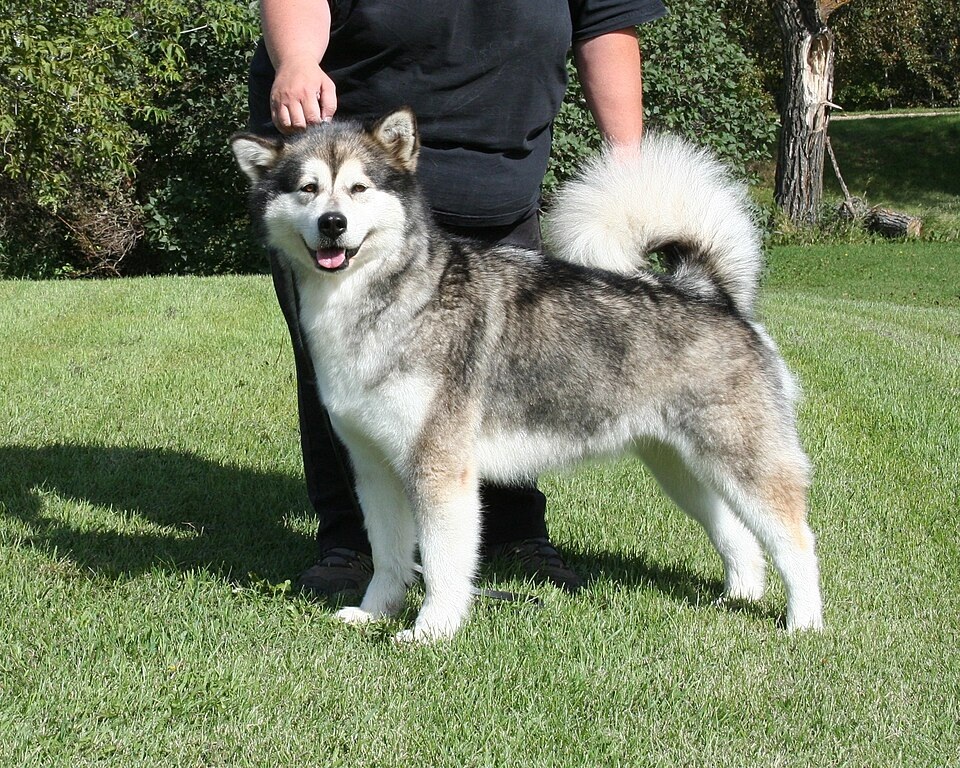
- Additional photograph: Winterwindmals / Wikimedia Commons. Original photograph · Public domain. An Alaskan Malamute standing outdoors with a handler. Illustrative photograph.


An Alaskan Malamute standing outdoors with a handler. Illustrative photograph. Photo: Winterwindmals, via Wikimedia Commons. Public domain. Original image retained; listing thumbnail crops are presentation only.
Leave a Reply