

Are Siberian Cats Hypoallergenic? What the Evidence Says
are Siberian cats hypoallergenic
The hope of sharing life with a cat deserves an honest answer before a kitten comes home.
Wanting a cat while worrying about allergies can pull your heart in two directions. There is no scientific support for calling Siberians, or any cat breed, hypoallergenic. Individual cats vary, but that does not tell an allergic person whether living with a particular cat will be comfortable.
We’ll begin with what causes cat allergy, then explore the Siberian genetics discussion and the limits of laboratory results. Finally, we’ll consider the conversations and household plans that respect both the people and the cat.
That is the distinction made in Christiane Hilger and colleagues’ 2024 review: variation between cats does not establish a hypoallergenic breed. If you love the idea of a Siberian but have allergies, the next useful conversation is with your allergist before making a commitment. The future cat's stable home matters too.
A NOTE FROM WATERSEDGE
We read the research, we talk to people who do this work, and we try to make complicated animal-health information easier to understand. What you're reading reflects how we've interpreted and organized what we found. It is educational, not veterinary advice, a diagnosis, or a treatment plan for your animal.
We're not perfect, and neither is the available research. Evidence changes, new work gets published, and what suits one animal may be wrong for another. Species, breed, age, weight and existing conditions all change the answer.
Use this as a starting point for your own reading and for the conversation with your veterinarian, particularly if your animal is on medication, is under treatment, has an existing condition, is pregnant, very young or very old, or if anything about their condition is changing quickly.
Human allergy decisions belong with a qualified human healthcare professional. A veterinarian addresses the cat's care; both may have a part in planning the household.
01 / First, let’s look beyond the fur
First, let’s look beyond the fur
Cat allergy involves proteins, not hair itself. Andrew Sparkes' review discusses allergens associated with saliva and skin secretions. Hilger's review describes several cat allergens.

One major allergen is called Fel d 1. Sparkes describes variation between cats and within the same cat over time. The Siberian's abundant coat cannot tell you what your reaction will be, and removing visible loose hair cannot establish an allergy-free home.
Your allergist can assess what you are reacting to. A beautiful coat is not a diagnosis in either direction.
02 / What about Siberian genetics?
What about Siberian genetics?
The genetics question is fascinating, but a difference in DNA still needs an explanation of what it means. Sparkes’ review discusses genetic differences reported in Siberian and domestic cats. It says their effects on Fel d 1 production or ability to cause allergy were unknown. The finding does not establish that Siberians are suitable for allergic households.
In plain language, a difference in a gene is not yet a demonstrated difference in someone's experience of living with a cat. The science can be interesting without becoming a purchase guarantee.
If a seller describes a cat or line as “low allergen,” ask what was measured and what the result actually means. The reassuring phrase alone cannot answer the household question.
03 / A laboratory number has limits
A laboratory number has limits
A low Fel d 1 result does not, by itself, predict your response to living with that cat. A sample collected under particular conditions is different from a person's experience of exposure, and cats have more than one allergen.
Obtain the actual report and bring it to your allergist. Useful details include:
- Which cat was sampled, when, and how.
- Which protein was measured.
- What the laboratory says the result means.
- What the result leaves unanswered for your own allergy history.
This is information to discuss, not a home experiment to design. A symptom-free visit also cannot guarantee comfortable cohabitation. Ask whether contact is appropriate, especially with asthma or significant past reactions; do not deliberately provoke symptoms to test the idea.
04 / Plan for everyone in the home
Plan for everyone in the home
Living together needs a plan for the people as well as the cat. Sparkes reviews cleaning, air filtration and keeping cats out of bedrooms. The evidence is limited on how much these measures reduce allergen exposure or improve people’s symptoms. An allergist may consider them in an individual plan, but they do not make every Siberian suitable for someone with allergies.
Before arranging a visit, tell the caregiver that a household member has allergies and discuss exposure planning with that person’s clinician. Agree what happens if symptoms occur, and let the visit end without embarrassment. A friendly introduction is an opportunity to learn about this cat, not a home allergy test or a guarantee.
Include partners, children, and anyone whose health could be affected. Discuss realistic arrangements: where the cat would sleep, which rooms would be restricted, and who would provide cleaning and care.
The plan also needs to protect the cat’s well-being. Allergy management should not become improvised stressful bathing, isolation, or repeated food changes. Discuss any proposed animal-care intervention with the veterinarian. More equipment does not guarantee a medical solution.
05 / Before you choose the kitten
Before you choose the kitten
Ask your allergist how your history and any claimed test results affect the decision, what remains uncertain, and what a plan for symptoms would involve.

Separately, ask the breeder for original testing reports and read the placement and return terms. A refund clause cannot establish medical suitability, but understanding the agreement is part of taking the cat's future seriously.
Wanting companionship deserves respect. So does an honest answer that might change the plan. Choosing the next conversation before choosing the kitten gives both the people and the animal a more thoughtful beginning.
KEEP EXPLORING
Recommended stories


Research details
Hilger and colleagues’ review identifies institutional funding from Luxembourg’s Ministry of Higher Education and Research; the authors declared no conflicts of interest.
Hilger and colleagues’ March 2024 review distinguishes individual allergen variation from unsupported breed-level promises. Sparkes' review first appeared online October 8, 2021, and in a 2022 journal issue. It synthesizes earlier research rather than reporting a new trial of Siberian ownership. Its discussion of breed-related gene sequences does not demonstrate human clinical tolerance. Public allergy guidance concerns people; it is not feline medical advice.
Sparkes disclosed consultancy work for the Purina Institute. He states that the Purina Institute and Nestlé Purina had no editorial control and that he received no financial support for the research, authorship, or publication of this review.
Sources
-
Andrew H. Sparkes. Human Allergy to Cats: A Review for Veterinarians on Prevalence, Causes, Symptoms and Control. Journal of Feline Medicine and Surgery; first online October 8, 2021.
-
Christiane Hilger, Bente Janssen-Weets, and Kyra Swiontek. Hypoallergenic animals: A promise of hope for allergic patients?. Allergologie Select, March 21, 2024.
Photo credits
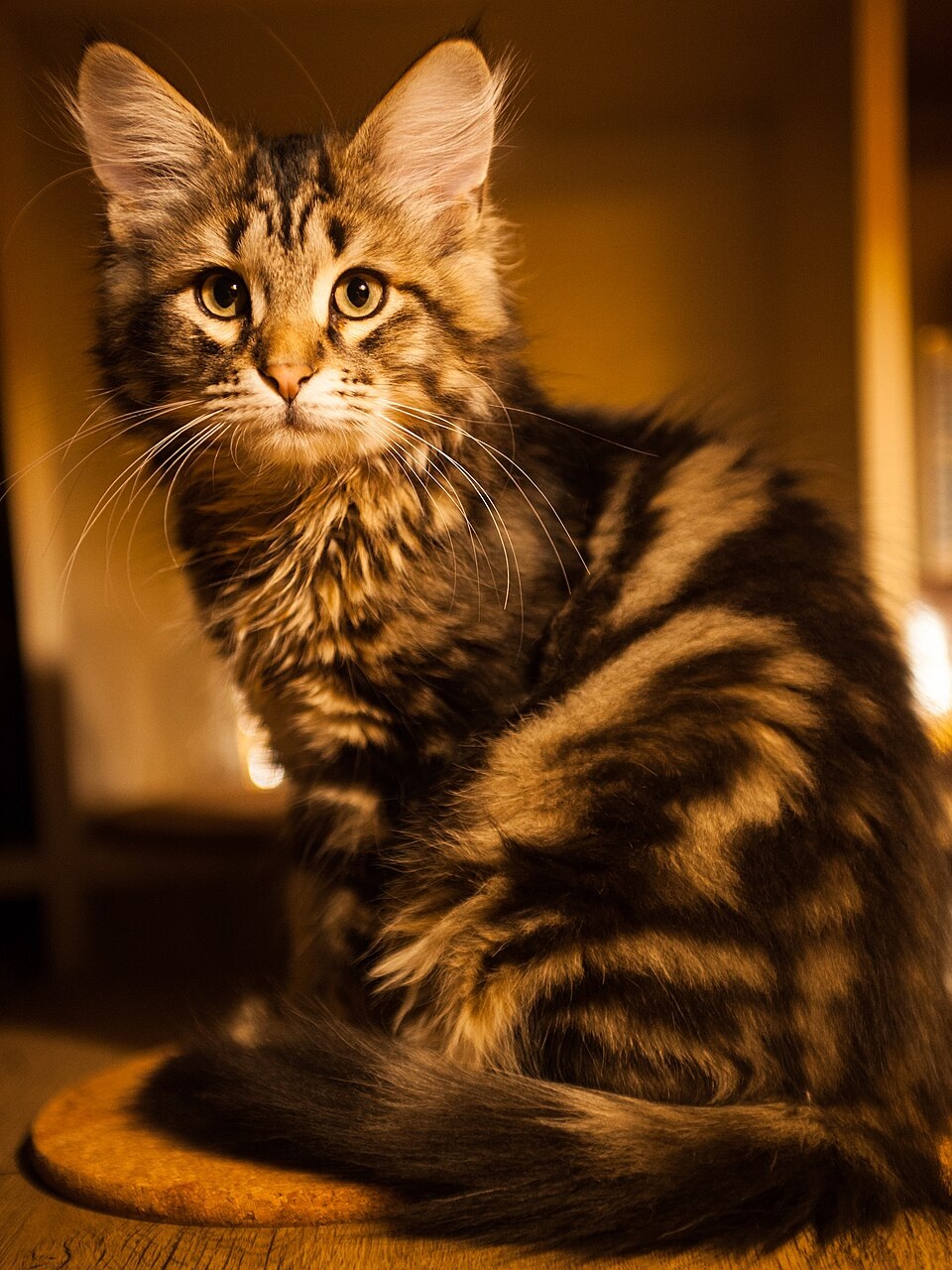
Photo: Roswitha BuddeCattery vom Hohen Timp, “Siberian cat in summercoat”, via Wikimedia Commons. CC BY-SA 3.0. Complete source frame retained; export metadata removed by WatersEdge. This image derivative is shared under CC BY-SA 3.0. Photo source · License

Photo: Tadeáš Bednarz, via Wikimedia Commons. CC BY-SA 4.0. Proportionally resized. Photo source · License

6_month_old_Siberian_male_red_classic_tabby.jpg: Reiny79, via Wikimedia Commons. CC BY-SA 3.0. Cropped and resized. Photo source · License

Leave a Reply