

Which Dog Breed Fits Your Everyday Life?
choosing a dog breed for your lifestyle
A wonderful match starts with your ordinary week and leaves plenty of room for the dog to be themselves.
There is a lovely moment in imagining a dog joining your life: the company, the familiar greetings and the outings you might share. Let’s give that picture an ordinary week to live in, so the search includes busy days as well as the adventures.
We’ll begin with your real weekly routine, then look at how breed information helps you get to know an individual dog. After that come grooming, space and costs, and the particular opportunities an adult placement may offer.
A dog can become part of so much that is lovely about a day. The best match leaves room for companionship on busy days as well as adventures on weekends.
01 / Let’s start with your ordinary week
Let’s start with your ordinary week
A realistic week gives the search a welcoming place to begin. The American Kennel Club's selection guidance asks about activity, time away, children, travel, grooming, and costs. Answer with arrangements rather than intentions. “I hope to exercise more” is different from “I walk before work and can arrange a midday visit.”
Include the awkward bits in that written week: late meetings, stairs, car journeys, visiting children and who takes over when you are ill. Discuss them with the breeder or rescue alongside the enjoyable outings.

Include busy evenings and rainy mornings. Who handles meals, walks, toileting, and care when work runs late? Where will the dog rest when the house is busy?
Separate what you admire from what you enjoy doing. You may love a working dog's concentration without wanting the activities that occupy them. A glorious coat may delight you in a photograph without making its maintenance a pleasure. That is useful self-knowledge, not a lack of affection.
02 / Learn the breed, then meet the dog
Learn the breed, then meet the dog
With that week in mind, breed information can help narrow what you want to learn. The AKC describes breed information as a guide to expected size, temperament, grooming, and exercise needs while recognizing individual differences. Those descriptions cannot promise one puppy's personality or explain an adult's entire history.
Ask a breeder or placement organization about the actual dog: how they settle, what interests them, which situations are familiar, and what they have not experienced. With a puppy, learn about the parents and early routines too.
Be specific about activity. Long walks, training games, scent work, and competitive sport are different interests. The AKC suggests visiting relevant events; ask owners what their dogs' lives look like away from the ring or field as well.
A yard does not tell you who will participate in the dog's day. And a hoped-for running partner is not an immediate exercise plan for a puppy. Discuss proposed distances and terrain with the veterinarian as the dog matures.
03 / Make care part of the match
Make care part of the match
The day-to-day care deserves a place in that picture, too. Ask a breeder or qualified groomer to show you what ordinary companion coat care involves. Professional appointments may still leave regular combing for someone at home. Learn the tools, time, drying, and seasonal changes involved.
A few practical questions make the home itself easier to picture:
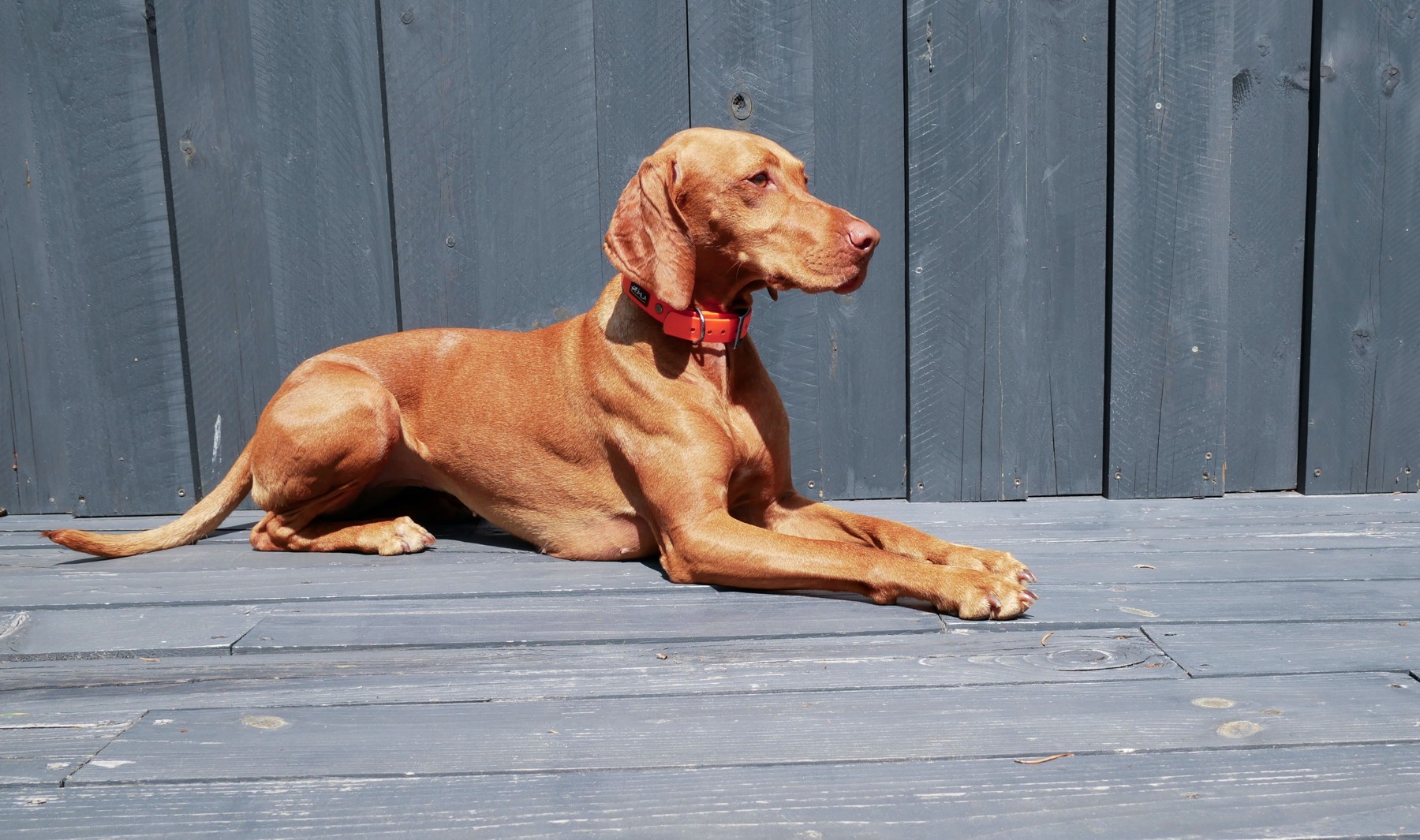
- Can you manage the adult dog's size in stairs, elevators, and transport?
- Do your housing rules permit the dog you are considering?
- Who provides care when you travel, and in what setting?
- Does your budget include grooming, equipment, transport, and unexpected veterinary needs?
Describe children and resident animals honestly. “Good with children” cannot cover every child and interaction. Ask what the individual has experienced and what introductions and supervision will require.
Everyone sharing the home should help shape the plan. The most enthusiastic person may not be the person available at midday. It is kinder to work that out before arrival.
04 / An adult may give you more to learn from
An adult may give you more to learn from
With an adult, you can see mature size and coat and ask about known routines. The AKC includes older dogs among prospective owners' options. That makes some questions more concrete without guaranteeing compatibility or easy adjustment.

Ask where observations were made. A dog who settles in a quiet home may encounter something very different in yours. Breeders, breed rescue, and other organizations offer different adult placements; understand the individual and the agreement rather than choosing by age alone.
Choose a few breeds to explore closely, then take your ordinary-week outline to people who know them. Let what you learn change the picture. Affection starts the search. Those everyday details help you decide whether you and this dog can make a good home together.
KEEP EXPLORING
Recommended stories


Research details
This article develops a household-matching framework from registry education. It does not rank breeds or offer an individualized exercise or behavior plan. Breed-level descriptions are starting points for learning about individuals.
Sources
-
AKC Staff. What Dog Is Right For Me? How to Choose the Perfect Breed. American Kennel Club. November 8, 2022.
-
Jerry Klein, American Kennel Club. Choosing the Right Breed of Dog for Your Family and for Your Lifestyle. March 22, 2021.
Photo credits
Photo: Jean Marc Bonnel, via Pexels. Photo source · Pexels License.
Photo: Lena Netkach, via Pexels. Photo source · Pexels License.
Photo: Ryan Lansdown, via Pexels. Photo source · Pexels License.
Photo: Lena Netkach, via Pexels. Photo source · Pexels License.
Leave a Reply