

A Breed Standard Teaches You Where to Look
how to read a breed standard
The coat, the outline and the moving dog make much more sense when we read them together.
A breed standard can teach you to notice a dog more closely: the whole outline, the coat, the way it moves. It is the written ideal used for breed assessment at shows, not a promise about every dog’s health or home life.
Start with the description of the whole dog before studying small details. The English Cocker Spaniel’s 2023 standard connects its appearance with its work: it describes how the dog should move through dense cover and how much coat would get in the way.
In this article, we’ll find the right version of a breed standard, learn to look at the whole dog, and explore how coat and movement connect to the work described. We’ll also translate stricter words such as “fault” and “disqualification” without confusing a show ideal with a companion’s worth.
01 / Let’s start by finding the right description
Let’s start by finding the right description
Before we study a particular feature, let’s make sure we are reading the description used by the relevant breed organization. As the AKC explains, a breed standard is developed through the parent club and accepted by the governing organization. It supplies shared language for judging how a dog represents its breed.
Save the exact standard, its date and the organization that issued it. Note any terms you want explained and take that version to a breed mentor. Standards can differ across countries and change over time, so this helps you both discuss the same description.
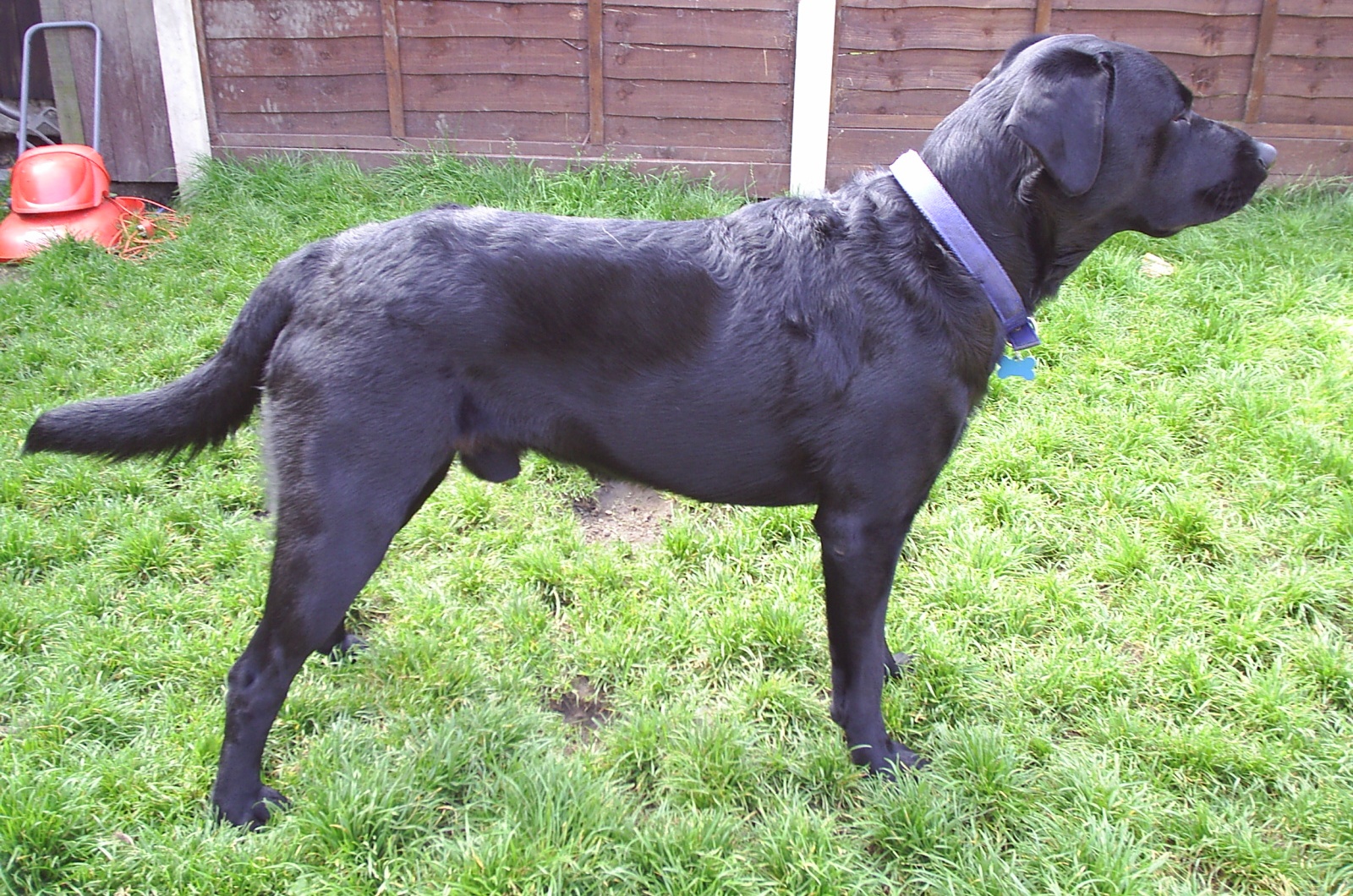
Then read it as a description to learn from, not a judgment of a companion’s worth. A living dog has its own body, experience and needs. The ideal helps explain what a breed community seeks; it does not make every animal identical.
02 / Look at the whole dog first
Look at the whole dog first
General appearance and proportions are a welcoming way in. What overall shape does the document ask you to imagine? How should height, length and substance relate to one another?

The 2023 English Cocker standard puts balance above exaggeration in individual parts. It describes a compact sporting dog whose standing form and movement belong together. A striking head or abundant coat should not be read as though the rest of the dog were merely a backdrop.
That changes the pleasure of looking. Instead of assuming the most conspicuous feature must be the best one, notice its relationship to the body. Small details become easier to understand once the larger shape is in mind.
You do not have to rank dogs to enjoy learning what you can see.
03 / How coat and movement relate to work
How coat and movement relate to work
Some descriptions explain their practical purpose. The English Cocker standard connects movement with working through dense cover. Its coat passage says feathering should not be so abundant that it interferes with field work. More hair is not automatically closer to the ideal.
The gait passage also emphasizes drive and power rather than great speed. Watching the fastest-looking dog is therefore not the same thing as watching for what the description asks.
The AKC’s judging explanation describes views from the front, rear and side, along with the standing examination. Movement lets a judge see the dog in action; hands can help reveal what hair conceals. That assessment remains separate from a clinical examination.
These are the standard’s stated connections, not experimental proof that every show dog has worked in the field or that a particular coat delivers a health benefit. They are interesting enough on their own terms.
For another breed, look for what its own text explains. Do not assume that one breed’s working history supplies the meaning of every feature in another.
04 / Read the stricter words in context
Read the stricter words in context
The stricter words can sound rather personal until we put them back into their show context. A “fault” is a feature that differs from the written ideal. A “disqualification” can make a dog ineligible to compete under the relevant rules. Neither tells you the dog’s worth as a companion.
A color outside the show description does not by itself tell you whether the dog is affectionate or healthy. Equally, a permitted feature is not a health clearance. The standard, screening reports and individual veterinary findings have different jobs.
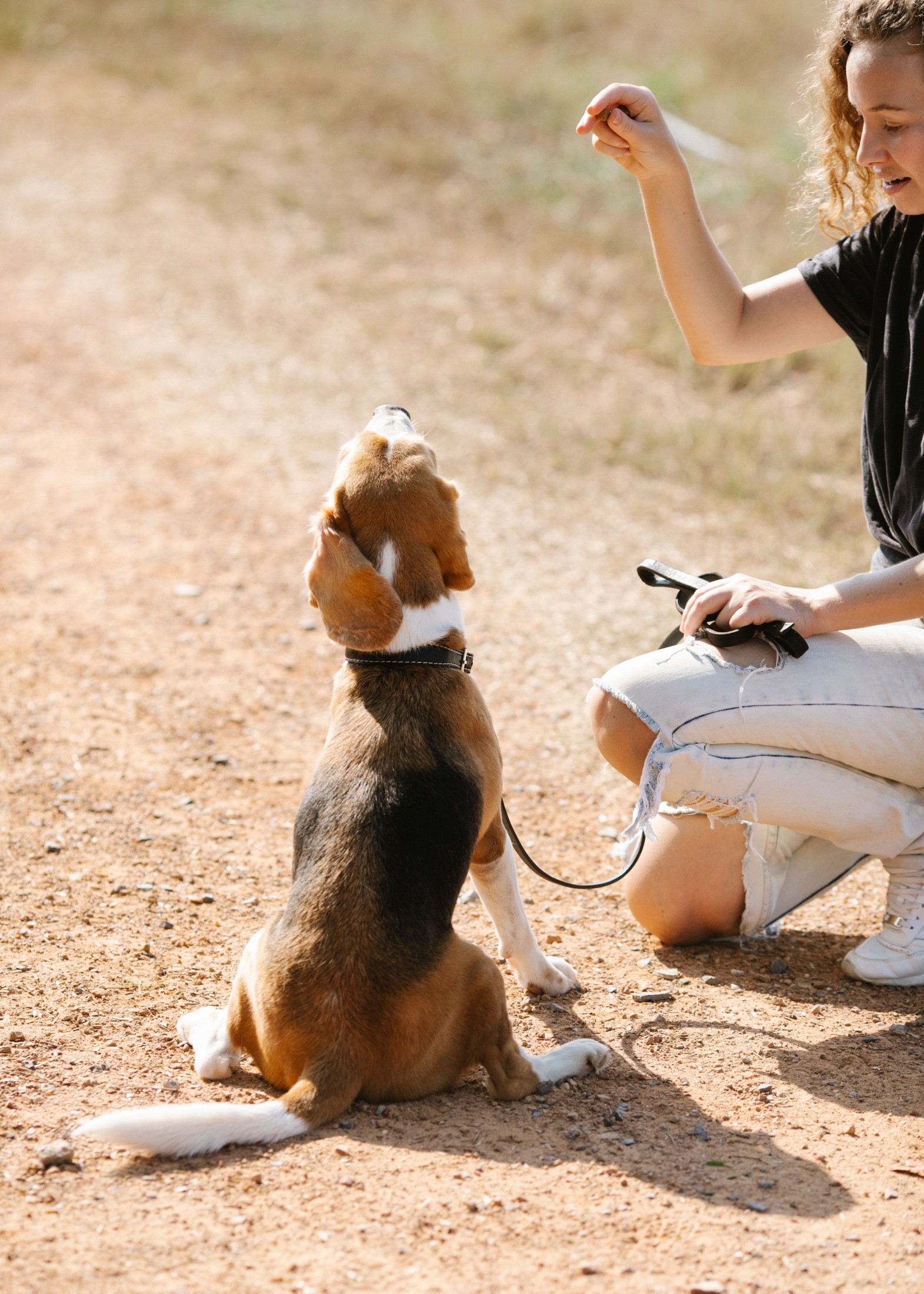
Temperament language also describes the breed ideal. It cannot predict every response to a visitor, child, animal or new setting. Knowing the individual remains part of the pleasure and responsibility of living together.
Choose a breed you enjoy, read its relevant standard and pick three details: one about the whole outline, one about a recognizable feature and one about movement. Watch an adult dog with someone willing to explain them. Which line suddenly helps you see more, and what do they know about the dog that no standard could contain?
KEEP EXPLORING
Recommended stories


Research details
This article explains how to read a breed standard; it does not compare breeds’ worth or make clinical claims. Its example is the English Cocker Spaniel standard approved August 8, 2023 and effective November 1, 2023. That document describes the breed ideal and explains how some features relate to work. It is not experimental evidence about health or performance.
Sources
-
English Cocker Spaniel Club of America/American Kennel Club. “Official Standard of the English Cocker Spaniel.” Approved August 8, 2023; effective November 1, 2023. Both pages inspected.
-
Gewirtz, Elaine Waldorf. “Conformation 101: How to Compete in Dog Shows” American Kennel Club. First published February 7, 2024; later page update November 25, 2025. Original 2024 explanation used.
-
American Kennel Club. “Rules Applying to Dog Shows.” Amended April 29, 2026, with inserts effective July 1 and October 1, 2026. Relevant show requirements and disqualification procedures.
Photo credits
Purebredblacklabrador.jpg. Photo: Tekana, via Wikimedia Commons. CC BY-SA 3.0. Cropped by WatersEdge; this image derivative is shared under CC BY-SA 3.0. Photo source · License

Photo: dancing with wolves, “Majic,” via Wikimedia Commons. CC BY2.0. Source crop by Pharaoh Hound; further editorial crop by WatersEdge. Photo source · License

Photo: Blue Bird, via Pexels. Pexels free license. Cropped by WatersEdge. Photo source · License
Leave a Reply