

Dog Parks: An Invitation, Not an Obligation
A good outing fits the dog, the company and the setting on that day.

A park can offer wonderful smells and interesting company. It can also mean a crowd of unfamiliar dogs. Before joining them, consider whether your dog is comfortable with that company today.
Let’s start with dog greetings, then look at the gate and the space available inside. We’ll consider parasite care too, before asking what makes a visit comfortable and when a shorter outing is enough.
At WatersEdge, we found that a pleasant encounter need not become a long game. A brief sniff and moving on can be a perfectly ordinary hello.
A NOTE FROM WATERSEDGE
We read the research, we talk to people who do this work, and we try to make complicated animal-health information easier to understand. What you're reading reflects how we've interpreted and organized what we found. It is educational. It is not veterinary advice, a diagnosis, or a treatment plan for your animal.
We're not perfect, and neither is the available research. Evidence changes, new work gets published, and what suits one animal may be wrong for another. Species, breed, age, weight and existing conditions all change the answer.
Use this as a starting point for your own reading and for the conversation with your veterinarian, particularly if your animal is on medication, is under treatment, has an existing condition, is pregnant, very young or very old, or if anything about their condition is changing quickly.
01 / First, let’s look at what a greeting means
First, let’s look at what a greeting means
A greeting can be a brief exchange without becoming a game or a friendship. Camille Ward’s small park study filmed voluntary greetings that usually involved approach, sniffing and departure, with play following only occasionally. No aggression was recorded in those greetings, but that observation cannot establish safety for every park encounter.
The useful distinction is that leaving may be the natural end of the exchange, rather than a problem to overcome.
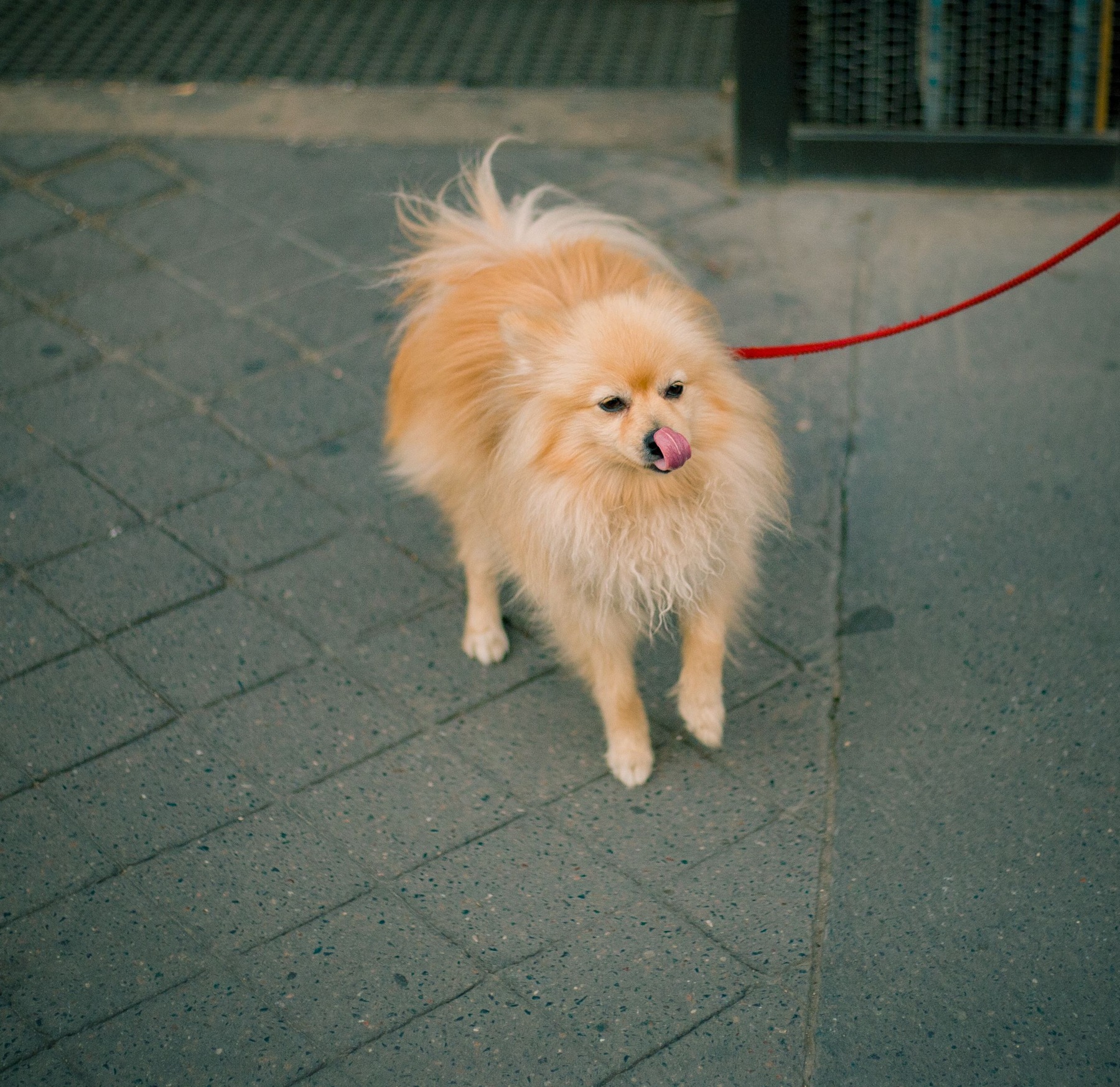
A lively movement or wagging tail does not answer every comfort question. Notice the interaction between the animals: are there pauses, changing roles and room to move away without being persistently pursued?
02 / The gate deserves a look too
The gate deserves a look too
A fenced park still needs enough room for dogs to avoid an interaction they do not want.
Carry waste bags and clean up promptly. Before entering, take a moment to consider the questions below; choosing a different outing is perfectly reasonable if the conditions do not suit your dog.
The visit has some practical questions:
- Is the entrance crowded with dogs?
- Is there space to move away?
- Can you get in and out without dogs crowding the gate, while following the park’s rules?
- Can the person keep track of the dog and leave if needed?
- How hot or cold is it, and how much activity suits your dog today?
A park’s reputation does not determine the group or conditions present on this occasion.
03 / Shared ground can carry parasites
Shared ground can carry parasites
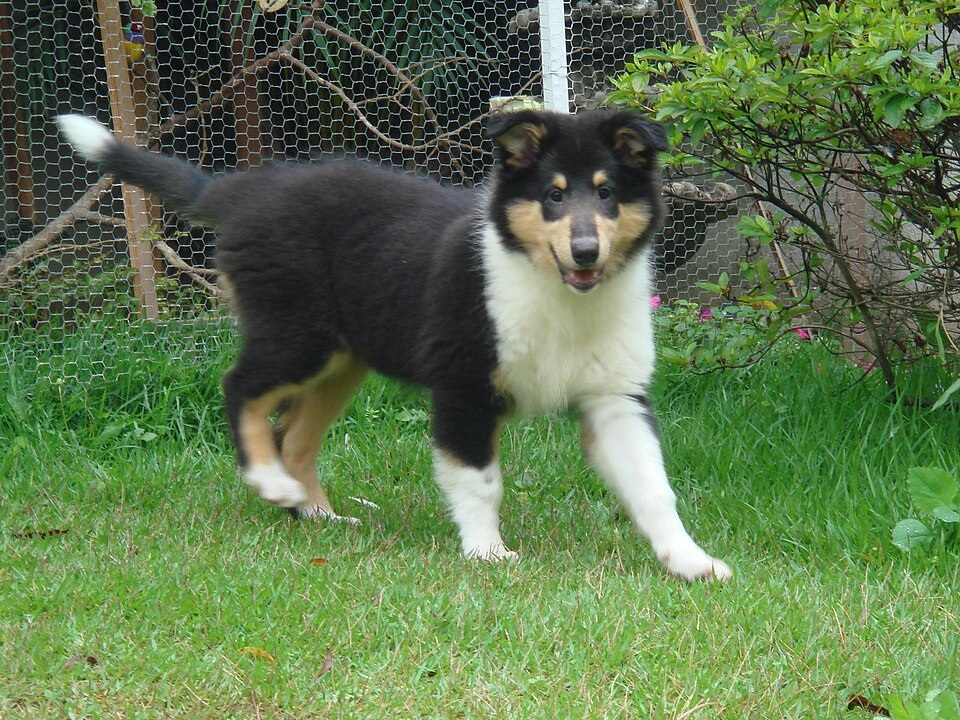
Shared park space raises a health question as well as a social one. The DOGPARCS study detected intestinal parasites in some samples from dogs visiting U.S. parks. The study cannot predict your dog’s chance of infection during one visit. It does show that dogs can carry parasites even in a group that looks cheerful and healthy.
Vaccination history, parasite care and local conditions belong in the veterinary discussion. Puppies and dogs with health vulnerabilities need their own assessment rather than general permission based on enthusiasm.
A dog park used by adult dogs is not automatically a suitable place to introduce a puppy to other dogs.
04 / A good visit can be a short visit
A good visit can be a short visit
A comfortable outcome matters more than minutes on a stopwatch. Fatigue, heat or changed movement should not be dismissed because the dog still appears eager.
After a greeting or game, can your dog move on and settle back into the outing? If encounters repeatedly leave them distressed, or their health or movement changes, seek suitable veterinary or behavior support. You do not need to repeat a difficult encounter to prove there is a problem.
The takeaway is freedom from the idea that every dog needs to love the park. A walk with familiar company can be worthwhile too. The goal is an outing the animal can enjoy and return from comfortably, whether or not anyone makes a new best friend.
KEEP EXPLORING
Recommended stories


Research details
Ward filmed 29 greeting pairs involving 58 dogs at one park and excluded arrivals at the entrance. Its brief-greeting and occasional-play findings do not establish the safety of crowded gates or all parks. DOGPARCS sampled visitors' feces at 288 sites; it did not determine place of acquisition. Elanco funded that study, IDEXX supplied testing, and commercial affiliations were disclosed. No product is selected on the basis of it.
Sources
- Ward C. 'Greeting behavior between dogs in a dog park.' Pet Behaviour Science 10:1–14, June 25, 2020. Journal record · Primary paper.
- Stafford K and colleagues. 'Detection of gastrointestinal parasitism at recreational canine sites in the USA: the DOGPARCS study.' Parasites & Vectors 13:275, June 1, 2020. Primary paper · Study record.
- American Veterinary Society of Animal Behavior. Position Statement on Humane Dog Training, 2021. Read statement.
Photo credits
- Lead photograph: Takashiba at English Wikipedia / Wikimedia Commons. Original photograph · Public domain. A Shiba Inu standing on grass with its tail curled over its back. Illustrative photograph.
- Supporting photograph: Imad Djaout / Pexels. Original photograph · Pexels free license. A Pomeranian standing on a sidewalk with a red leash. Illustrative photograph. Crop made from original.
- Additional photograph: Leandro Prudencio / Wikimedia Commons. Original photograph · CC BY 3.0. A Collie puppy walking across a grassy garden. Illustrative photograph.


Leave a Reply