

Keep Your Dog Cool: Know When to Act
Heat illness needs an early response. A parked car is only part of the risk.

If you suspect heat illness now, contact emergency veterinary help and begin cooling while arranging transport. Do not wait for collapse or finish reading this article first.
We want a warm-weather outing to end with a comfortable dog and a pleasant evening together. A little preparation matters, because heat illness can develop during exercise as well as inside a vehicle.
We’ll begin with planning the whole outing, including any stop at the car. Then we’ll look at the dog’s heat exposure and warning signs, how the cited first-aid guidance describes cooling, and why veterinary assessment still matters if the dog looks better.
Veterinary guidance emphasizes acting early: avoid unnecessary heat exposure, watch for signs of illness, and start cooling while arranging urgent veterinary care.
A NOTE FROM WATERSEDGE
We read the research, we talk to people who do this work, and we try to make complicated animal-health information easier to understand. What you're reading reflects how we've interpreted and organized what we found. It is educational. It is not veterinary advice, a diagnosis, or a treatment plan for your animal.
We're not perfect, and neither is the available research. Evidence changes, new work gets published, and what suits one animal may be wrong for another. Species, breed, age, weight and existing conditions all change the answer.
Use this as a starting point for your own reading and for the conversation with your veterinarian, particularly if your animal is on medication, is under treatment, has an existing condition, is pregnant, very young or very old, or if anything about their condition is changing quickly.
01 / First, let’s plan the whole outing
First, let’s plan the whole outing
A warm-weather plan includes the outing and what happens if the dog becomes unwell. Cornell University’s veterinary guidance recommends outings during cooler hours and access to shade. If a dog becomes ill from heat, it describes cool water and moving air as a way to begin cooling. Trouble breathing, confusion or collapse require immediate veterinary-hospital care. Cooling the dog does not make it safe to stay home.
A pleasant outing needs a plan for where the dog will be during every stop. A cracked window and a parking place that starts in shade do not make leaving a dog in a vehicle a dependable plan. Conditions change, and shade can move.
Before an outing, work out the human stops as well as the dog’s destination. If shopping, a meal or an appointment would leave the dog in the car, arrange another caregiver or another plan before departure. Water, an accessible bowl and the emergency clinic’s details belong with the day’s essentials; they do not make a parked car an appropriate waiting place.
Cornell’s US veterinary guidance warns against leaving dogs in parked cars. The practical concern is the heat around the animal, rather than a universal waiting time an owner can safely count on.
If a stop would leave your dog unattended in the car, change the outing or arrange for someone to care for them elsewhere.
02 / Watch the dog, not just the weather
Watch the dog, not just the weather
Next, the dog’s actual surroundings deserve attention alongside the forecast. In a 2021 U.S. study, Katherine Moon and colleagues used small thermometers on collars to follow 30 pet dogs in Birmingham and rural Wilcox County, Alabama. The readings, collected in July 2017, showed why a forecast cannot tell the whole story: individual dogs’ heat exposure varied with their surroundings and living arrangements. This small observational study measured environmental exposure, not body temperatures, heatstroke cases or a safe temperature cutoff.
A US working-dog experiment examined heat gained through exercise and how the dogs cooled afterward. It does not estimate how often exercise causes heat illness in all pet dogs. Heat planning still needs to cover more than the parked car.
An eager dog can still become too hot. Age, health, breathing, fitness and surroundings all affect how a dog copes with heat. Wanting to keep going does not mean they can do so safely.
Cornell’s US veterinary guidance identifies warning signs that include:
- Excessive panting and drooling.
- Restlessness or unusual distress after heat or exertion.
- Weakness, collapse or altered awareness.
- Vomiting, diarrhea or other serious changes.
Do not wait for every sign. Describe what happened and what you can see to the emergency team rather than trying to grade the illness yourself.
03 / Start helping before the drive
Start helping before the drive

Cornell describes beginning cooling with cool water and airflow while seeking veterinary care. Starting first aid is part of arranging help, rather than a reason to postpone the journey indefinitely.
The emergency team can explain how to cool the dog while arranging transport, taking account of breathing and alertness. Keep water away from the nose and mouth, and do not force the dog to drink.
Cornell describes moving an overheating dog into air conditioning, providing access to water, and wetting the coat with cool water in front of a fan. Its guidance calls for immediate veterinary hospital care if heavy panting and drooling persist, or if breathing trouble, weakness, confusion, seizures or collapse develop. The emergency team can tailor instructions to the dog’s condition.
If possible, one person can phone while another begins cooling and prepares transport. Do not delay care to reconstruct a perfect timeline.
04 / Looking better is not the end
Looking better is not the end
Less panting is welcome, but it cannot show whether heat injury has affected circulation or organs. Veterinary assessment remains important after suspected heat illness, even when the dog appears calmer.
Tell the team about the exposure, signs, any known conditions or medicines and cooling already started. Follow its emergency instructions through to assessment.
For future outings, think about exertion, water, shade, transport and every stop. Keep the emergency clinic’s contact available. Knowing the warning signs can help you act promptly and get veterinary help.
KEEP EXPLORING
Recommended stories


Research details
The Alabama study reported support from the National Institutes of Health, the Virginia-Maryland College of Veterinary Medicine Summer Veterinary Student Research Program and the Boehringer Ingelheim Veterinary Scholar program. Its authors stated that funders had no role in the research or publication decision and declared no conflicts of interest. Its small volunteer sample and owner-reported living arrangements limit broader conclusions.
Parnes and colleagues’ 2023 Philadelphia experiment compared three post-exercise cooling conditions in healthy working dogs. Partial water immersion cooled them more effectively than the other tested conditions. This was not clinical heatstroke treatment, and it did not establish household mortality risk or a safe waiting time in a vehicle. The study reported no external funding and no conflicts. Cornell supplies separate first-aid guidance.
Sources
- Moon KE, Wang S, Bryant K and Gohlke JM. Environmental Heat Exposure Among Pet Dogs in Rural and Urban Settings in the Southern United States. Frontiers in Veterinary Science, October 5, 2021. Data collected in Alabama in July 2017. Read the primary study.
- Parnes SC and colleagues. “A Randomized Cross-Over Study Comparing Cooling Methods for Exercise-Induced Hyperthermia in Working Dogs in Training.” Animals, 2023. Read source.
- Cornell University College of Veterinary Medicine. Summer heat safety tips for dogs. U.S. veterinary guidance. Read the source.
Photo credits
- Lead photograph: FriendlyToaster / Wikimedia Commons. Original photograph · CC BY 4.0. A Bernese Mountain Dog standing on grass in a leafy garden. Illustrative photograph. Crop made from original.
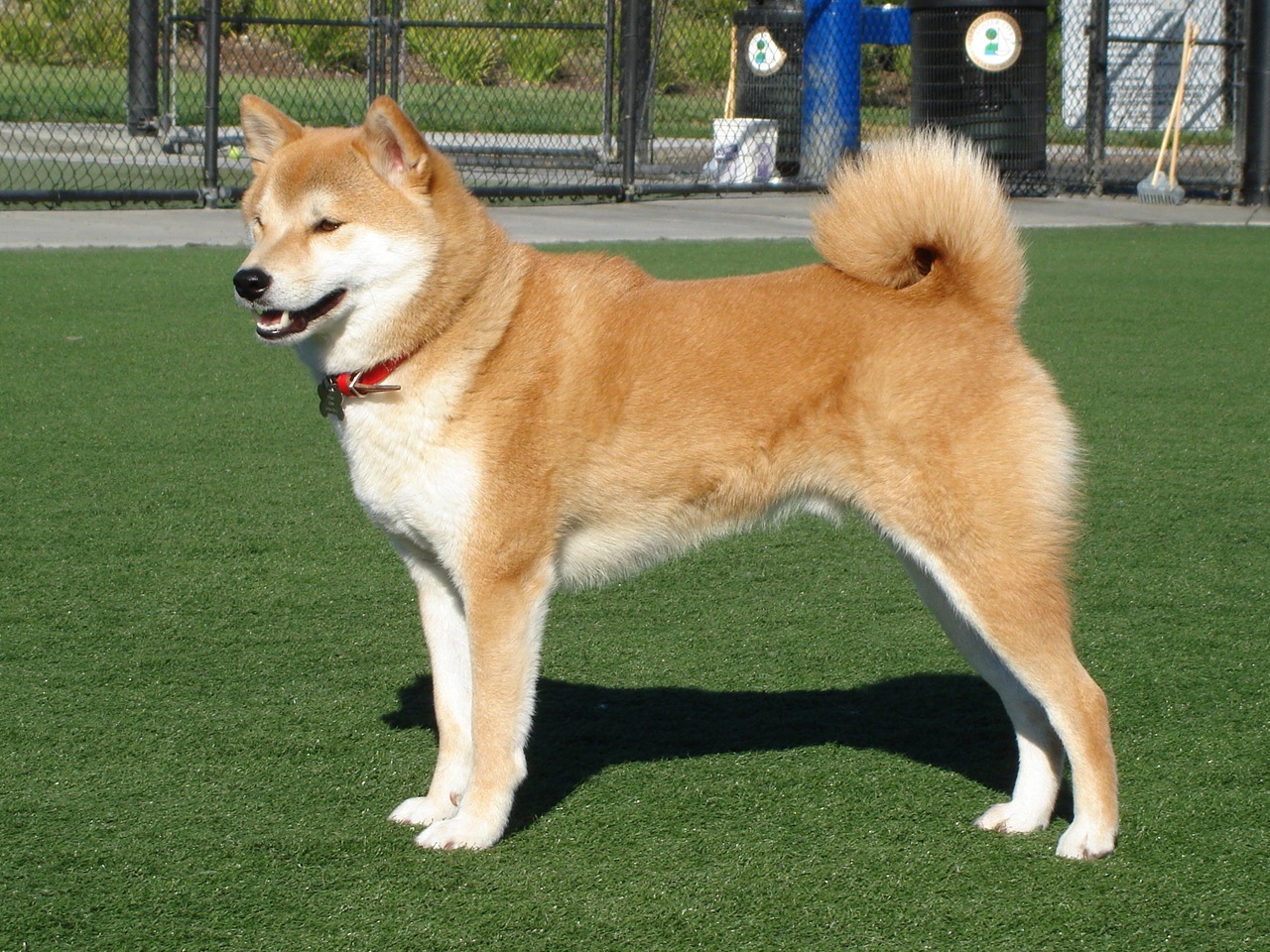
- Supporting photograph: Takashiba at English Wikipedia / Wikimedia Commons. Original photograph · Public domain. A Shiba Inu standing on grass with its tail curled over its back. Illustrative photograph.
- Additional photograph: Canarian / Wikimedia Commons. Original photograph · CC BY-SA 4.0. A Whippet standing outdoors with a handler. Illustrative photograph.


Featured photograph: Slyronit. Photo source. CC BY-SA 4.0. Listing crops vary by screen; original retained.

Leave a Reply