

A Better Road Trip Starts With Your Dog’s Place in the Car
Fit, attachment and the whole journey matter more than a reassuring label.

A road trip has its own little ceremony: bags in the trunk, route on the phone, dog wondering whether this is the good kind of outing. A clear travel setup can make the planning easier for everyone.
At WatersEdge, we found an important distinction: equipment that keeps a dog in one place and equipment with documented crash protection are not necessarily the same thing.
Today we’ll look at where your dog travels, what a crash-test record actually covers, and how to prepare before departure. Then we’ll plan for the stops and arrival, because the journey includes more than time in a moving car.
A NOTE FROM WATERSEDGE
We read the research, we talk to people who do this work, and we try to make complicated animal-health information easier to understand. What you're reading reflects how we've interpreted and organized what we found. It is educational. It is not veterinary advice, a diagnosis, or a treatment plan for your animal.
We're not perfect, and neither is the available research. Evidence changes, new work gets published, and what suits one animal may be wrong for another. Species, breed, age, weight and existing conditions all change the answer.
Use this as a starting point for your own reading and for the conversation with your veterinarian, particularly if your animal is on medication, is under treatment, has an existing condition, is pregnant, very young or very old, or if anything about their condition is changing quickly.
01 / Let’s start with your dog’s place in the car
Let’s start with your dog’s place in the car
Before the bags go in, let’s give the dog’s travel space the same careful attention as the route. The American Animal Hospital Association (AAHA) recommends securing pets during travel. The setup still needs to fit the animal, equipment instructions and the vehicle.
A harness, carrier or crate can have specific requirements for its position and attachment. A metal cargo ring looking sturdy does not establish that it is suitable for every restraint.
The details worth checking are:
- The exact product model and size.
- The seating or cargo position its instructions specify.
- The required vehicle connection and attachment method.
- Relevant vehicle-manual guidance, including airbags.
The restraint and vehicle instructions need to agree on where and how to secure the dog.
02 / What does “crash tested” mean here?
What does “crash tested” mean here?
A phrase on a product page can sound complete while leaving out the most useful details. What was tested, how was it installed and what happened?
Center for Pet Safety records name the product, test-dummy weight, protocol and result. The Sleepypod examples linked below show the level of detail to look for; they are not recommendations for those carriers.
A test of one size or attachment does not establish the result for every item carrying the brand name. A demonstration video is not automatically independent certification either.
Ask for the actual record rather than relying on two reassuring words. Restraining movement and demonstrating collision protection are different claims.
03 / Let familiarity begin before departure
Let familiarity begin before departure
Once the travel space is planned, it is worth getting to know how your dog feels in it. Find out before a long trip how your dog responds to the carrier and the moving car.
AAHA recommends discussing travel concerns with the veterinary team before departure. Describe what your dog does in the car, including signs of possible motion sickness or distress, and ask how to prepare for the journey.
The carrier needs to suit the dog as well as the car.
04 / The stops count, too
The stops count, too
Your dog’s day includes more than the miles. Water, relief opportunities, prescribed medicine schedules and arrival handling belong in the plan.
AAHA’s travel kit includes water, bowls, food, prescribed medicines, a leash and waste bags. Keep the items needed at stops accessible rather than buried beneath luggage. Agree who secures the dog before a car door opens, and leave room around other people and dogs when taking a break. Nobody needs an unexpected greeting beside the gas pump.
Temperature needs particular care. AAHA warns against leaving pets in parked vehicles. A cracked window or a patch of shade is not a dependable waiting arrangement.
Before departure, identify who will remain responsible for the dog during each stop, where the travel records are and how the animal will be handled at arrival.
Before leaving, check that the restraint suits your dog and car, follow its installation instructions and plan how you will care for the dog along the way. Then there is more room to enjoy wherever those paws are headed.
KEEP EXPLORING
Recommended stories


Research details
AAHA's travel guidance informs trip preparation. CPS's dated August 2024 and January 2025 carrier records illustrate exact-model, weight, protocol, and rating distinctions; they are not a product ranking or individual selection. Merck's July 2026 motion-sickness guidance supplies the biological and behavioral explanation. Installation questions must be resolved through the relevant product and vehicle instructions.
Sources
-
American Animal Hospital Association. “Traveling safely with your pet: The ultimate guide.” AAHA. June 2024; updated November 25, 2025. Read source.
-
Center for Pet Safety. Sleepypod Atom certification record; tested August 2024, test V241077F. Read record.
- Center for Pet Safety. Sleepypod Air certification record; tested January 2025, test V25106F. Read record.
- Coates JR. Motion Sickness in Animals. Merck Veterinary Manual; reviewed by Carnevale J, July 2026. Mechanism and signs.
Photo credits
- Lead photograph: Takashiba at English Wikipedia / Wikimedia Commons. Original photograph · Public domain. A Shiba Inu standing on grass with its tail curled over its back. Illustrative photograph.
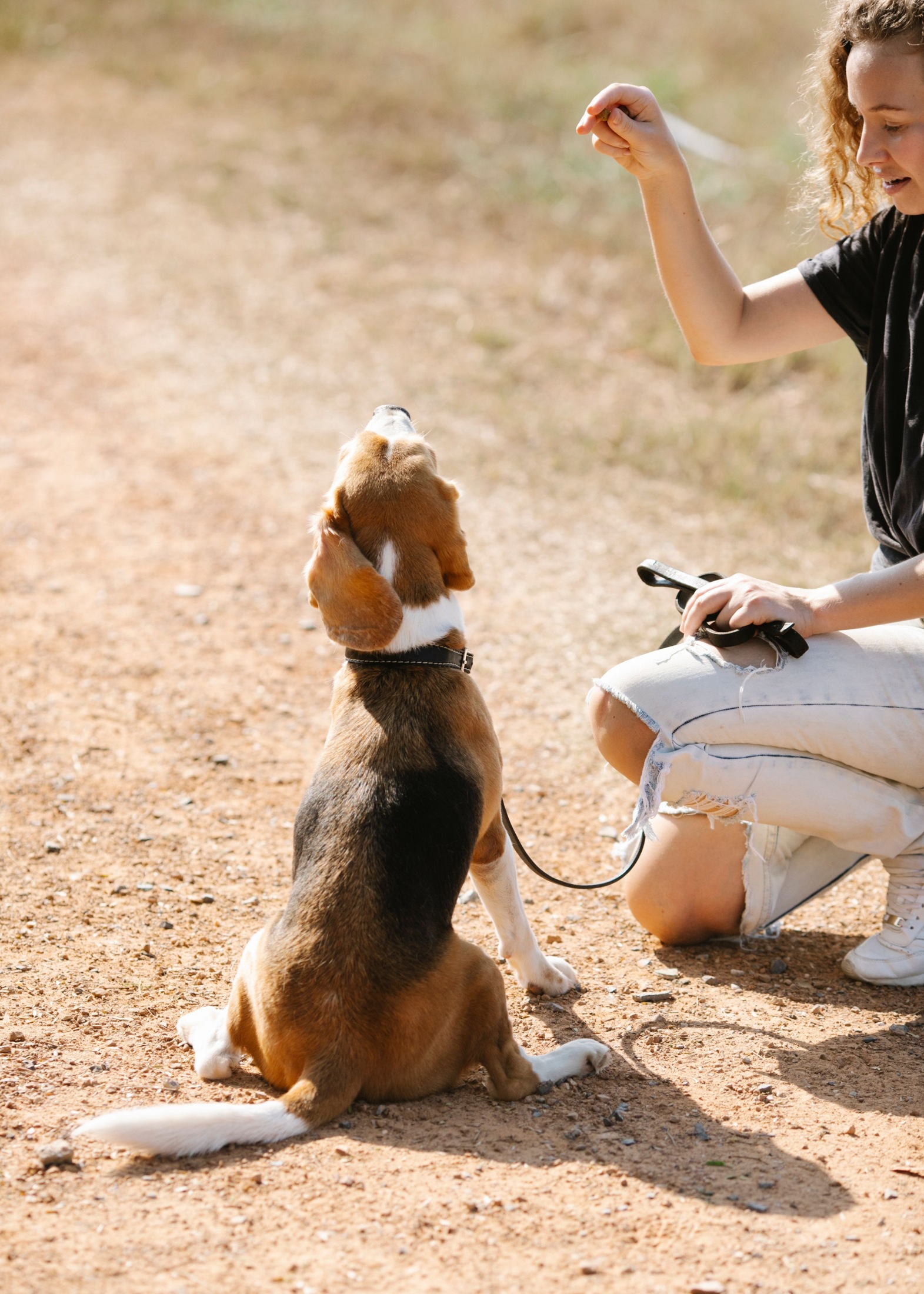
- Supporting photograph: Blue Bird / Pexels. Original photograph · Pexels free license. A Beagle sitting beside a person holding a treat on a country path. Illustrative photograph. Crop made from original.
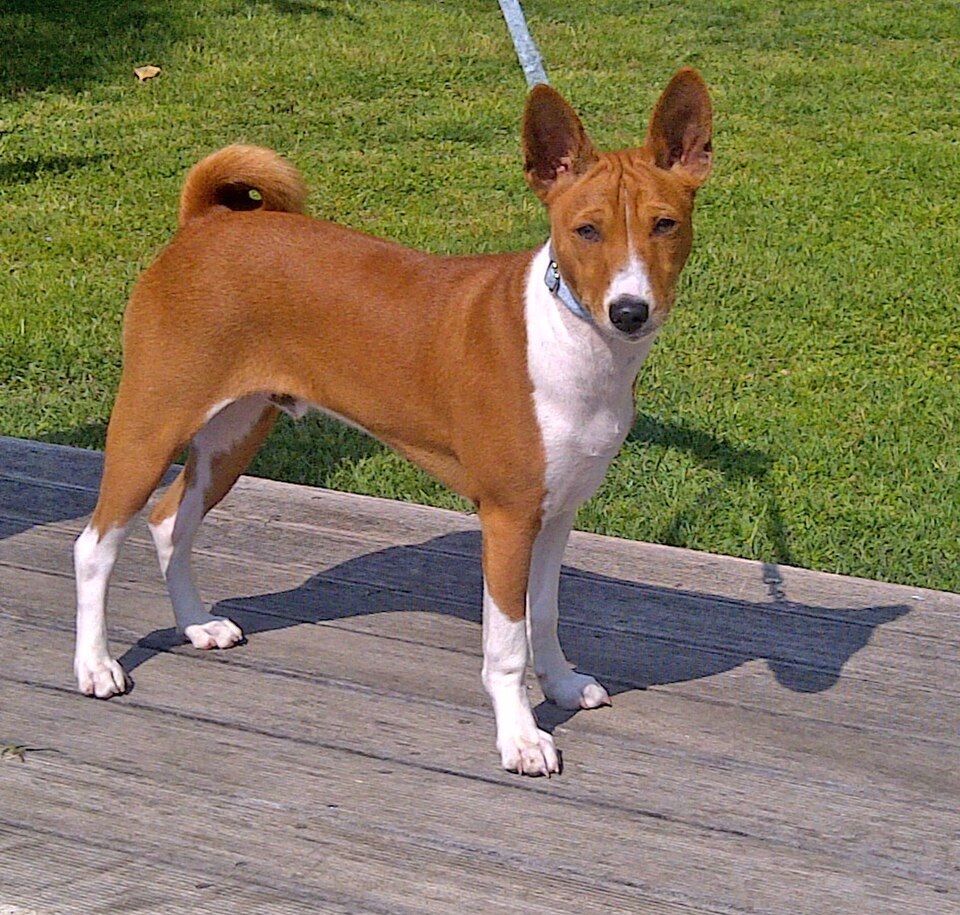
- Additional photograph: fugzu / Wikimedia Commons. Original photograph · CC BY 2.0. A Basenji standing on a wooden deck with its tail curled upward. Illustrative photograph.


Featured photograph: Przykuta. Photo source. CC BY-SA 3.0. Whole source frame proportionally resized.

Leave a Reply