

What Does a Good Pet Concierge Service Actually Take Care Of?
pet concierge services
The finest convenience may be a familiar day carried carefully from one person to the next.
There’s a quiet pleasure in knowing a busy day has room for your animal’s care. A good pet concierge makes it clear who arranges each task and who actually cares for your dog or cat. The service may book appointments, walk an animal, provide transport or coordinate other providers. Confirm the written scope, caregiver, handovers, backup and costs before calling it a complete solution.
We’ll start with one task and the people doing it, then build a useful animal profile and handover. We’ll also examine backup, transport, home access, insurance and the costs that make the service understandable.
One dependable point of contact can be a lovely convenience. The value is knowing that the groomer received the instructions, the cat was fed and someone is responsible for the next step.
01 / Let’s begin with one clear task
Let’s begin with one clear task
A specific task gives everyone something clear to agree on. “We need our dog collected from home and returned after grooming” is a useful brief. Ask whether booking, collection, transport, conveying instructions, payment and return are all included. Who reports a change?
A booking service can be valuable without doing hands-on care. A caregiver can be excellent without managing an international itinerary. Ask who has agreed to each job rather than assuming “concierge” includes everything.
Identify the people performing the work: employees, contractors or separate providers. Pet Sitters International’s (PSI) October 2025 standards call for clear agreements and proper staff classification. These are industry standards, not a legal determination about your provider. Ask who supervises the work, whom you will meet and how substitutions happen.
02 / Give them a profile of your animal
Give them a profile of your animal
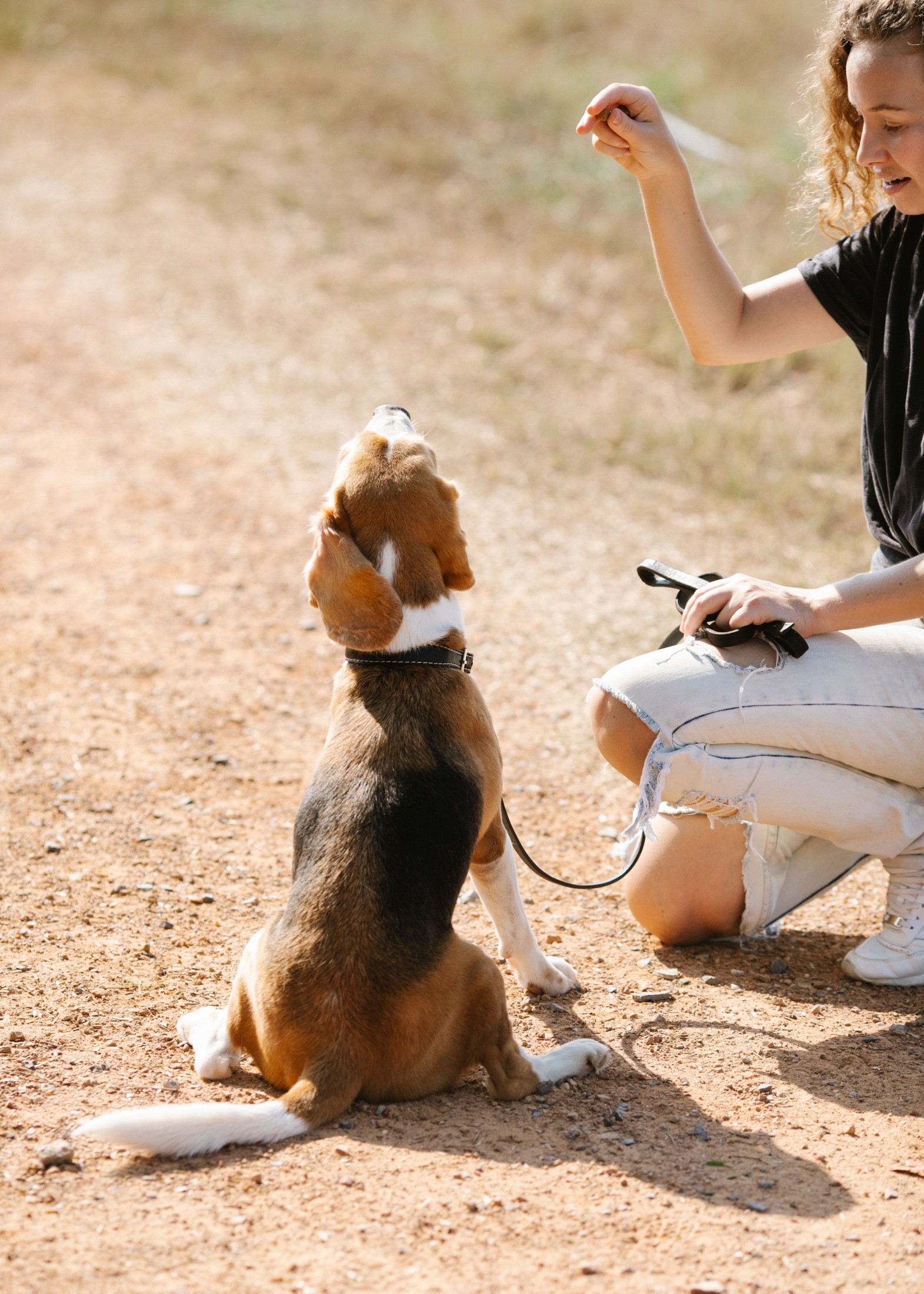
The person helping needs to meet the animal you know through a few useful particulars. Pet Sitters International’s standards call for documented animal profiles, care instructions, relevant experience and communication. These association practices are not a government license or a guarantee about a member business.
Your profile should describe the individual animal. Include feeding, walking equipment, handling preferences, where the cat hides, relevant prior incidents and contact details. Keep the veterinary team’s medical instructions exactly as supplied, and update the care record when the plan changes.

“She is very sweet” is affectionate but incomplete if she dislikes a harness going over her head. “He loves people” does not explain what happens when a large dog meets a visitor at the front door. Those small particulars help someone meet the animal you know.
03 / Make every handover useful
Make every handover useful
A handover should carry the instructions forward with the animal. For grooming, send the agreed trim and coat instructions. For a veterinary visit, identify the purpose, observations to convey and how you will be available for decisions. The concierge should not invent a medical history or authorize a new plan beyond your arrangement with the veterinary team.
Ask the service to confirm, in writing, who collects the animal, who has keys and who receives the care instructions. Share only the access needed for the agreed task, and agree how a delay will be communicated. It is a practical kindness to the animal and the person waiting at the other end.
Agree what comes home: clinic instructions, a report, receipt, changed appointment or question requiring your attention. Name the person following up. A perfect journey can still leave the next caregiver missing important information.
Backup deserves the same care. In an August 2024 PSI article, Beth Stultz-Hairston describes a designated substitute able to access schedules, client details and keys, with clients informed and relevant insurance coverage checked.
Ask how a missed visit is recognized, who contacts you, how a replacement receives instructions and what happens if nobody can come. A refund does not feed the waiting cat. Your own reachable backup should agree to the role and have a practical way to help.
04 / Separate transport, access and coverage
Separate transport, access and coverage
The practical arrangements deserve their own conversation, beyond the appointment being booked. If the service collects your animal, ask how the journey will be managed. Ask about the driver, vehicle, restraint or carrier, supervision and destination handover.

For international travel, a coordinator can organize the sequence without issuing or endorsing veterinary certificates. The August 2026 upload guide from the U.S. Department of Agriculture’s Animal and Plant Health Inspection Service (USDA APHIS) says owners work with their accredited veterinarian; its November 2023 bulletin describes certificate preparation and USDA endorsement. Confirm who is responsible throughout the route, including delays. Arranging travel and certifying animal health remain different jobs.
Home access also needs an agreement: who holds keys or codes, who may enter and how access ends. Coordinate with other household workers so nobody assumes someone else has fed or secured the animal. Disclose cameras and agree respectful privacy boundaries.
Agree whether photographs are private updates or may be published. They should not expose travel dates, access details or location without permission.
Finally, ask what the actual insurance covers. PSI distinguishes general business liability from coverage for animals and property in a provider's care. Current policies, limits, exclusions and covered activities matter; transport, overnight care and subcontracted work need specific answers from the provider and its insurance professional.
Request a clear total separating coordination fees from other providers' charges, travel, waiting, memberships and cancellations. We would welcome better evidence about continuity and handover quality; convenience alone does not prove better animal outcomes. Start with one written task and ask the service to explain each handover and backup arrangement. The quiet pleasure is knowing who is caring for your animal and that they have the instructions they need.
KEEP EXPLORING
Recommended stories


Research details
This investigation concerns service scope and continuity; it is not an endorsement of a named provider. PSI materials are industry guidance from an association with commercial membership and insurance-industry relationships; its insurance guide is the 2024–25 edition, not evidence of any particular provider’s policy. USDA information is used for defined transport and travel-preparation questions, not legal clearance of a provider. No services were commissioned or tested.
Sources
-
Pet Sitters International. “Global Standards for Professional Pet-Sitting & Dog-Walking Businesses.” First publicly released October 14, 2025.
-
Stultz-Hairston, Beth. “Creating an Emergency Backup Plan for Your Pet-Sitting Business.” Pet Sitters International. August 2024.
-
Pet Sitters International. “Pet Sitting Insurance.” Guide for 2024–25 edition.
-
USDA APHIS. “Submitting an AV PDF Upload Health Certificate.” August 2026, internally dated official guide. Cited for the roles in veterinary certification, not as instructions for owners to use the system.
-
USDA APHIS. “Pro Tips for Pet Health Certificates.” Original bulletin, November 17, 2023. Certification and USDA endorsement context; historical country-specific timing examples are not reproduced.
-
Pet Sitters International. “Pet Sitters International Releases First Global Standards for Professional Pet Sitting and Dog Walking.” October 14, 2025. Primary release-date record.
Photo credits
Photo: Blue Bird, via Pexels. Pexels free license. Cropped by WatersEdge. Photo source · License
Photo: Takashiba at English Wikipedia, via Wikimedia Commons. Public domain. Proportionally resized; complete frame retained. Photo source · License

Photo: Матвеева Ирина Владимировна, via Wikimedia Commons. Public domain. Proportionally resized; complete frame retained. Photo source · License

Featured photograph: Spencer343~commonswiki. Photo source. CC0. Whole source frame proportionally resized.

Leave a Reply