

A Lovely Pet Hotel Starts With an Ordinary Day
Beautiful surroundings matter less than clear answers about care.

A pet hotel can look rather inviting. Your dog or cat still arrives with the same important needs: dinner, rest, comfortable handling and someone noticing when the day is different.
We’ll walk through the daily routine, overnight staffing and alternatives to group activities. Then we’ll prepare the handover information that helps staff understand the dog or cat arriving with you.
To understand a pet hotel, ask what your animal’s ordinary day would look like there. A room photograph cannot show who notices a missed meal or what happens overnight.
01 / Let’s start with your pet’s ordinary day
Let’s start with your pet’s ordinary day
A provider should be able to explain the routine in words the family can follow:
- When food arrives and how eating is recorded.
- How toileting, movement and individual attention are arranged.
- When the animal can rest without interruption.
- How prescribed medicines are handled.
- Which changes are reported and to whom.
Ask whether staff record what your pet actually eats, rather than just that food was offered. A long activity list also cannot tell you whether the day suits your animal.
02 / Who is there overnight?
Who is there overnight?
“Monitored” can describe a person physically present, someone viewing a camera remotely or a contact available by phone. Those arrangements are not interchangeable.
A camera can show part of a space. It cannot give a prescribed medicine or take an animal to a clinic. Ask the service to explain the actual coverage and emergency response.
Health requirements, cleaning, separation for an unwell animal and veterinary contacts belong in the same discussion. Local licensing rules vary; published England boarding standards are useful examples of defined responsibilities, not laws for every reader’s location.
03 / Group activities should be optional
Group activities should be optional
A dog may enjoy some company and need distance from other animals. Group play should come with an explanation of assessment, supervision and alternatives.

If the dog does not join the group, what does their day include instead? Individual interaction and suitable rest are care, not an empty space in the timetable.
Cats need their own arrangements for hiding, scratching, watching quietly and reaching food, water and a litter box. A quiet place to retreat may suit a cat better than a busy program of activities.
04 / Tell staff what your pet usually does
Tell staff what your pet usually does
The staff’s picture of your animal begins with what you can tell them about home. The American Animal Hospital Association (AAHA) advises caregivers to share food, medicines, routines, restrictions, fears and emergency contacts. Specific details help: “Usually finishes breakfast promptly” tells staff more than “loves food.”
Make the handover short enough to use: meal amounts, written veterinary medicine instructions, familiar cues, handling difficulties and emergency contacts. Confirm who receives it and how changes will reach the next shift. Ask what bedding or comfort items are allowed before packing them; the animal’s familiar routine deserves more attention than a suitcase of surprises.
Ask for updates about eating, rest, toileting and any changes staff made, rather than only a cheerful picture.
The regular price, extra charges and cancellation terms also need to describe the actual package.
Look for clear answers about meals, rest, space, staff responsibilities and help when something changes. Beautiful rooms are a pleasure, but the routine and the people caring for your animal matter throughout the stay.
KEEP EXPLORING
Recommended stories


Research details
No commercial boarding facility was visited, tested, or endorsed. England's DEFRA licensing guidance is used as a concrete, geographically labeled example of operational standards; its ratios and exercise provisions are not U.S. law or individualized care recommendations. The cat-friendly guidelines concern veterinary environments, not a commercial-hotel comparison. AAHA supplies family preparation and caregiver-handoff context. Current requirements depend on the actual facility and jurisdiction.
Sources
- American Animal Hospital Association. “6 Tips to Prepare Your Pet for Summertime Boarding.” June 4, 2024. Read source.
- Hall, Emily. “Preparing for the Unexpected: Essential Pet Sitter Instructions.” AAHA. April 24, 2025. Read source.
- Department for Environment, Food & Rural Affairs. “Dog kennel boarding licensing: statutory guidance for local authorities.” England. Updated June 1, 2026. Read guidance.
- Department for Environment, Food & Rural Affairs. “Cat boarding licensing: statutory guidance for local authorities.” England. Updated June 1, 2026. Read guidance.
- Taylor, Samantha, and colleagues; ISFM/AAFP. “2022 Cat Friendly Veterinary Environment Guidelines.” Journal of Feline Medicine and Surgery. 2022. Read association resource.
Photo credits
- Lead photograph: Imad Djaout / Pexels. Original photograph · Pexels free license. A Pomeranian standing on a sidewalk with a red leash. Illustrative photograph. No named provider or facility is represented. Crop made from original.
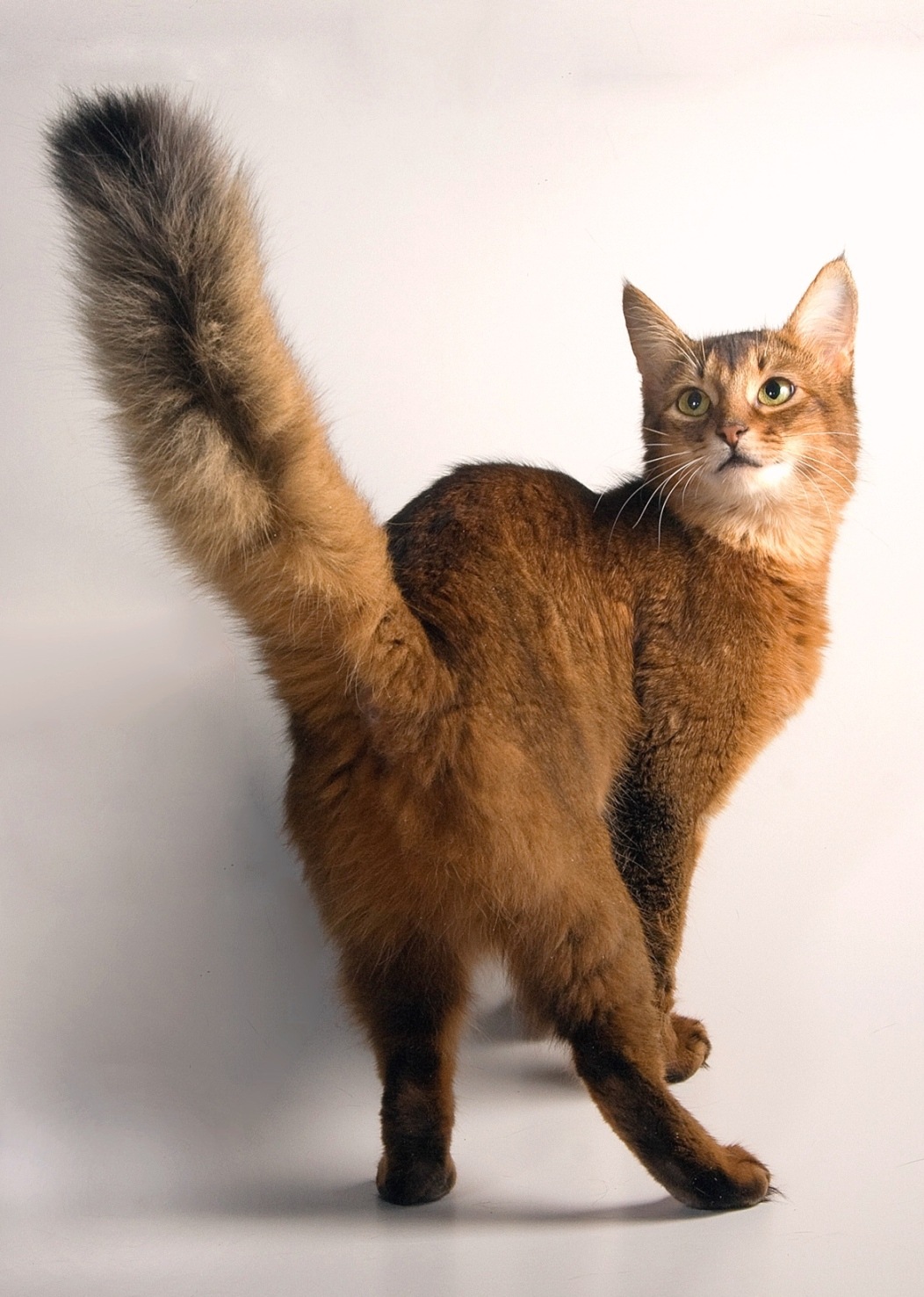
- Supporting photograph: Матвеева Ирина Владимировна / Wikimedia Commons. Original photograph · Public domain. A Somali cat standing against a pale background with its plumed tail raised. Illustrative photograph. No named provider or facility is represented.
- Additional photograph: Canarian / Wikimedia Commons. Original photograph · CC BY-SA 4.0. A Whippet standing outdoors with a handler. Illustrative photograph.


Featured photograph: Cgomez766. Photo source. CC0. Whole source frame proportionally resized.

Leave a Reply