

What Should a Luxury Pet Hotel Get Right for Your Dog or Cat?
luxury pet hotels
A gracious stay begins with the little things you know about your animal.
Choosing a place to care for a much-loved animal deserves a thoughtful welcome as well as a lovely room. A luxury pet hotel should be able to describe your dog or cat’s day: meals, toileting, activity, quiet rest, checks and who responds if something changes. Tour the actual location and confirm staffing, emergency arrangements and the care handover before choosing the suite.
Lovely rooms and appealing extras can be part of thoughtful hospitality. The animal lives through the whole stay, including the quiet hours when reception is closed. That is where the useful questions begin.
We’ll begin with an ordinary day at the hotel, then look at overnight checks, emergencies and the handover of your animal’s familiar routine. We’ll give cat accommodation its own attention and finish by pricing the stay your particular guest would receive.
A NOTE FROM WATERSEDGE
We read the research, we talk to people who do this work, and we try to make complicated animal-health information easier to understand. What you're reading reflects how we've interpreted and organized what we found. It is educational, not veterinary advice, a diagnosis, or a treatment plan for your animal.
We're not perfect, and neither is the available research. Evidence changes, new work gets published, and what suits one animal may be wrong for another. Species, breed, age, weight and existing conditions all change the answer.
Use this as a starting point for your own reading and for the conversation with your veterinarian, particularly if your animal is on medication, is under treatment, has an existing condition, is pregnant, very young or very old, or if anything about their condition is changing quickly.
01 / Let’s start with your animal’s everyday timetable
Let’s start with your animal’s everyday timetable
Before choosing the suite, let’s picture the day your dog or cat would actually spend there. Have the team describe your animal’s proposed day in ordinary language. Which activities are included, which cost extra and how can the plan change? A suite, private camera and extra play session describe different parts of care.
More activity is not automatically a more personal stay. Ask how group play is assessed and supervised, and what happens if a dog stops wanting to participate. Find out whether individual attention or quieter alternatives are available and what they include.
A swimming pool and busy play yard need not appeal to every guest. For a dog with a difficult behavioral history, disclose the relevant facts and arrange the plan with qualified help before booking. Make sure staff understand that history and have agreed how they will care for the dog.
02 / Understand the quiet hours and emergencies
Understand the quiet hours and emergencies
The stay continues after the busy part of the day, so let’s look at who is there during the quiet hours. Ask who is physically present overnight, who checks the animals, how often and how they respond. An owner camera can show something; a person must recognize it and act. “24-hour care” needs a plain explanation.
England's dog-kennel boarding licensing guidance, updated in June 2026, addresses noise, suitable rest and monitoring, including documented out-of-hours checks in its higher standards. These apply to the specified licensed activity in England, not every American hotel. They make useful tour questions concrete.

Ask how sleeping areas relate to busy corridors, lighting and noise, and how quieter accommodation is assigned.
“Veterinary care available” also needs detail. Does a veterinarian work on site, at what hours and in what role? Confirm the clinic, after-hours contact, transport, required consent and how you will be reached. Leave a reachable backup person who knows their role if you cannot answer.
For special care, confirm exactly what the location accepts. Giving an existing prescription, injections, monitoring and clinical treatment are different tasks. The facility and your animal's veterinary team should agree on suitability; sometimes another care arrangement is the thoughtful answer.
03 / Send the familiar routine with them
Send the familiar routine with them
A clear care sheet is a lovely piece of hospitality. Include food and feeding instructions, walking equipment, handling preferences and agreed medical directions. Distinguish your preferences from veterinary instructions. Follow the facility’s labeling and supply requirements, including any extra food or medicine agreed for a delayed return.
Label food and prescribed medicines with the animal’s name and the agreed instructions, and have staff read the handover back to you. Ask what familiar items are permitted and who contacts you if a meal or dose is missed. A charming suite becomes more useful when the everyday handover is equally clear.
Ask how those details move between shifts and who sees changes in appetite, behavior or toileting. A cheerful report card is pleasant, but staff also need records that let the next shift know about missed meals, medicine or other changes.
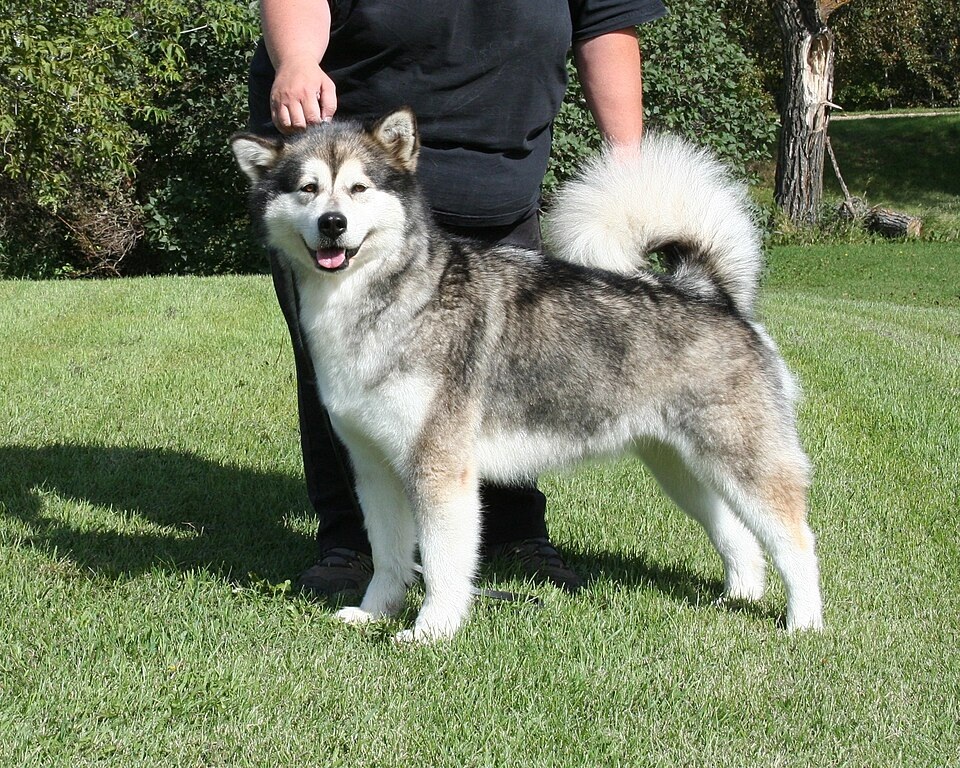
For a long-coated dog, discuss maintenance during the stay. A departure bath does not explain how the coat will be managed beforehand. Individual details should never be guessed from a breed label.
A cat needs their own tour and care plan.

Ask about separation from dogs, resting and hiding choices, litter care, handling, movement space and any contact with unfamiliar cats. The 2022 Cat Friendly Veterinary Environment Guidelines from the International Society of Feline Medicine (ISFM) and American Association of Feline Practitioners (AAFP) discuss cats’ needs in clinics. They inform useful environmental questions but do not certify a boarding hotel's rooms.
For a nervous cat or one needing clinical attention, discuss the stay with their veterinary team. Familiar home care may be another option to assess.
04 / Price the stay your animal will receive
Price the stay your animal will receive
Once the care arrangement is clear, we can look at what that particular stay will cost. Request an itemized estimate for the dates, location and care arrangement. Include activity, grooming, medication administration, transport, peak charges and late collection. Understand how the daily rate is calculated, plus cancellation and extension terms if travel is delayed.
Extras are choices, not measures of affection. We found no independent comparisons establishing that a luxury label means better animal experience, and would welcome clearer staffing and adaptation information from hotels. The most reassuring tour is one where the team can explain who will care for your animal, how the day will work and how they will change course when this particular guest needs them to.
KEEP EXPLORING
Recommended stories


Research details
England's statutory guidance applies to licensed dog-kennel boarding in that jurisdiction. The 2022 feline guidelines concern veterinary environments and are used for environmental questions, not as certification of a boarding facility. The guideline authors reported no financial support for the article. Their disclosed interests included Samantha Taylor’s employment by Linnaeus, Nathalie Dowgray’s part-time research at the Feline Healthy Ageing Clinic funded by Royal Canin, and Ilona Rodan’s membership of a Royal Canin advisory board. All taskforce members reported remuneration for education, speaking or consultancy and declared no direct conflict for these guidelines. These disclosures are distinct from article funding. No hotels were visited or tested for this article.
Sources
-
Department for Environment, Food & Rural Affairs. “Dog kennel boarding: licensing statutory guidance for local authorities.” England. Originally published February 1, 2022; updated June 1, 2026.
-
Taylor, Samantha, Kelly St. Denis, Sarah Collins, Nathalie Dowgray, Sarah L. H. Ellis, Sarah Heath, Ilona Rodan and Linda Ryan. “2022 ISFM/AAFP Cat Friendly Veterinary Environment Guidelines.” Journal of Feline Medicine and Surgery. ISFM/AAFP guidelines. 2022.
Photo credits
Photo: Zen Chung, via Pexels. Pexels free license. Cropped by WatersEdge. Photo source · License
Photo: Winterwindmals, via Wikimedia Commons. Public domain. Proportionally resized; complete frame retained. Photo source · License

Abyssin.jpg. Photo: Desaix83, after a photograph by Martin Bahmann, via Wikimedia Commons. CC BY-SA 3.0. Proportionally resized; complete frame retained. Photo source · License

Featured photograph: Reiny79. Photo source. CC BY-SA 3.0. Whole source frame proportionally resized.

Leave a Reply