

Life With a Bullmastiff Happens in the Doorway
living with a Bullmastiff
A big companion, a busy doorway and the small arrangements that help everyday life make sense.
A Bullmastiff brings a wonderfully substantial companion into family life. Living with a Bullmastiff is about more than having room for a big dog. Comfortable routes through the home, a thoughtful visitor routine, activity and rest all matter. The real question is how this particular dog will share an ordinary day with you.
Let’s picture the adult dog in your home, plan for arrivals, and explore learning and activity beyond that imposing outline. We’ll also make room for meals, cleaning, transport and the ordinary work of living together.
A doorway is a useful place to begin. People arrive with bags, deliveries and children. A very large companion deserves a clear, kind way through all that human business.
01 / First, let’s picture the adult in your home
First, let’s picture the adult in your home
Getting to know adult dogs helps turn an appealing puppy picture into a realistic homecoming. Stephanie Gibeault’s 2020 American Kennel Club (AKC) comparison describes adult Bullmastiffs at 110–130 pounds for males and 100–120 for females. These are breed-description ranges, not feeding goals. Meet adults rather than letting a puppy photograph supply your whole picture.
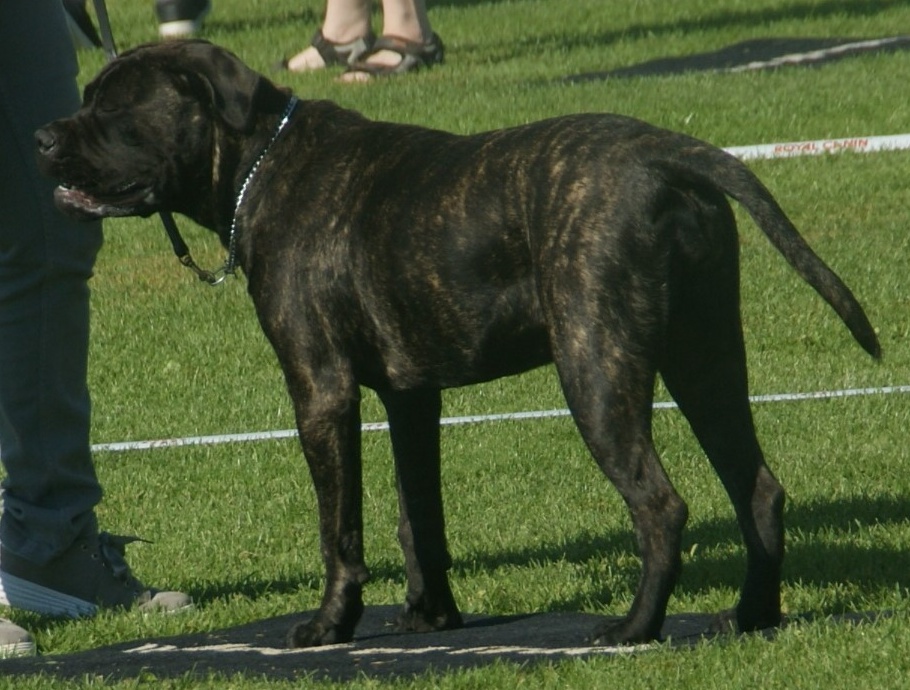
Think about where the dog will turn, stretch and sleep. Can people pass a resting dog without crowding it? Where can it settle away from a busy gathering? What will comfortable transport look like?
These are practical questions, not a test of whether your property is impressive enough. A large yard can still have an unreliable gate. A smaller home can have sensible routes and dependable access to walks. Describe the actual arrangements to the breeder or rescue, including who handles gates and deliveries.
02 / Make arrivals understandable
Make arrivals understandable
Waiting while a door opens, settling in a familiar place and walking without pulling can be valuable household skills. AKC puppy-socialization guidance describes positive introductions to new experiences. A qualified reward-based trainer can help turn your household's needs into manageable learning for the individual dog.
The ordinary doorbell deserves a plan that fits the dog’s adult size as well as everyone’s enthusiasm. Tell guests that greetings are optional, and discuss the questions below with your trainer or caregiver.
Before visitors arrive, discuss:
- Who will manage the dog while the guest enters?
- What comfortable separate space is available?
- Does the guest need extra room because they are frightened, unsteady or accompanying a child?
- What has the dog actually done around visitors before?
In Gibeault’s comparison, breeder Sherry Boldt says she expects Bullmastiffs to accept welcomed visitors. That is her experience, not a promise about a dog you do not know. Ask about the individual dog’s behavior around guests and plan introductions accordingly.
If threatening behavior has occurred, ask an appropriate behavior professional about management while help is arranged. Do not create a confrontation to see what happens. A guest is not a training prop.
03 / There is a busy mind inside that substantial dog
There is a busy mind inside that substantial dog
There is learning and company to enjoy beyond the dog’s size. Boldt describes Bullmastiffs who learn readily but may lose interest in repeating an exercise they already understand. That is a breeder's observation, not an explanation for every training difficulty.

The same AKC comparison mentions obedience, rally, agility and tracking. It is an appealing reminder that the dog can do more than look imposing. These are possibilities to explore with a veterinarian and qualified trainer, considering age, health and ability, not a requirement to compete.
Everyday learning matters too: walking on a leash, settling nearby and meeting visitors are part of family life. Rest belongs in the day alongside activity.
04 / Plan for the unglamorous bits
Plan for the unglamorous bits
A few practical preparations leave more room to enjoy life together. Gibeault describes Bullmastiffs and Mastiffs as droolers, though that cannot predict how much your individual dog will produce. Meeting adults makes this detail more real than any puppy portrait. Think about the drinking area, washable surfaces and a conveniently placed cloth. Affection and housekeeping can share a cupboard.
Request the current food, feeding routine, weight history and veterinary information. A cup can hold different calories depending on the food, and dogs’ needs vary. Ask the veterinarian how to assess your dog’s body fat and muscle rather than feeding toward an imposing outline.
Ask for local routine-care estimates and plan for transport and emergency care. Anyone helping while you are away needs to understand secure handling, meals and rest as well as the visitor routine.
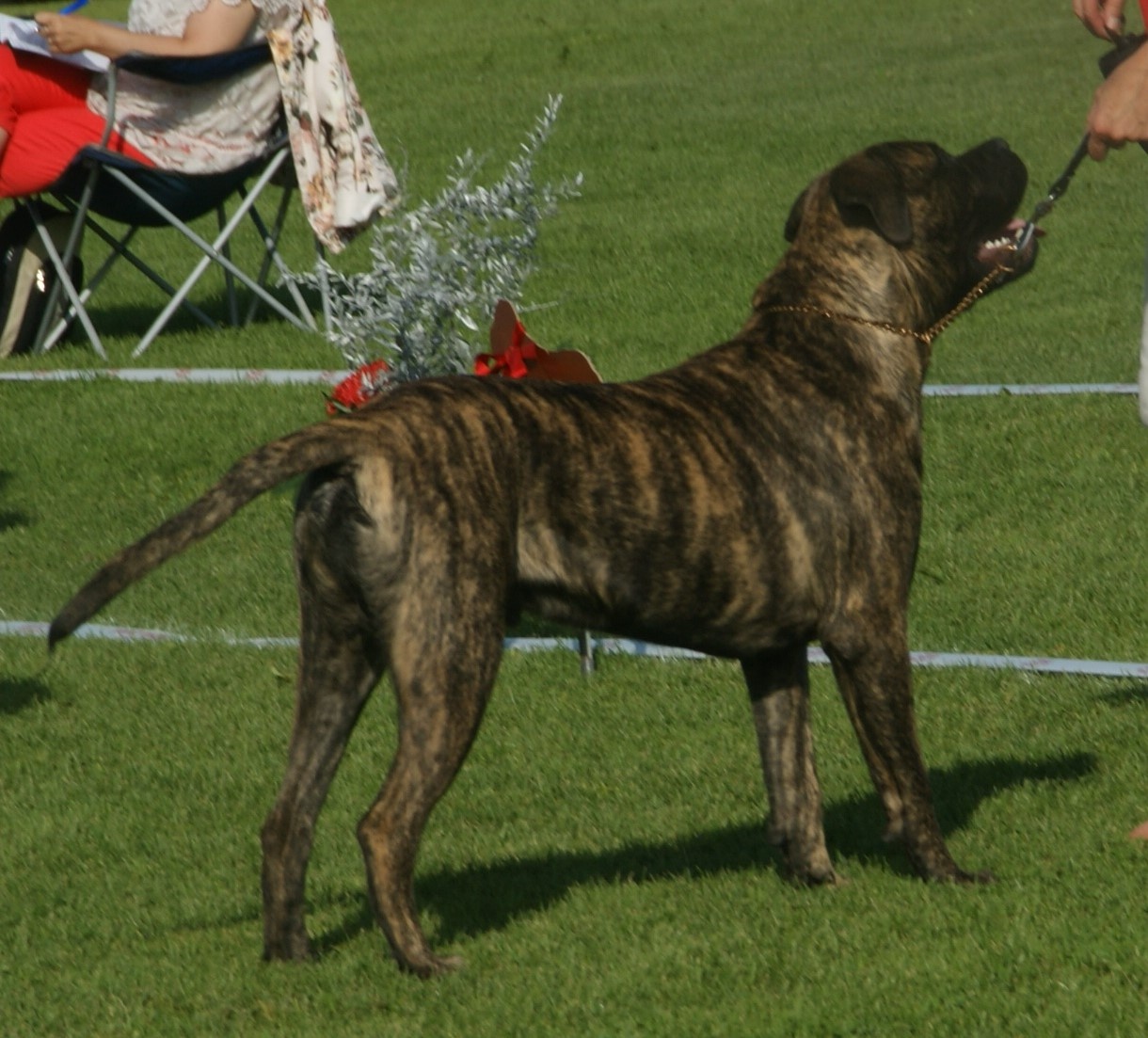
Before committing, write down an ordinary weekday and a busy day. Ask the breeder or rescue how the dog they know might fit those routines. That gives you something more useful than a puppy portrait: a picture of where your large companion will rest, move, learn and spend time with you.
KEEP EXPLORING
Recommended stories


Research details
Household examples are planning scenarios, not observations or a measured housing standard. Gibeault's original July 2020 report supplies the breed comparison and named breeder's experience. Weight ranges are descriptive, not nutrition targets. Puppy socialization is general educational guidance, not a Bullmastiff-specific treatment protocol. No interviews were conducted.
Sources
-
Stephanie Gibeault: Mastiff vs. Bullmastiff: How to Tell the Difference. American Kennel Club. Original publication July 15, 2020; reported comparison including Sherry Boldt's experience.
-
AKC Staff: Puppy Socialization: Why, When, and How to Do It Right. American Kennel Club. Original publication July 7, 2022; sponsored educational page.
Photo credits
Photo: Canarian, via Wikimedia Commons. CC BY-SA 4.0. Cropped by WatersEdge; derivative shared under CC BY-SA 4.0. Photo source · License

Bullmastiff Junghund 1 Jahr.jpg. Photo: Corpusdigitalis (FHvB), via Wikimedia Commons. CC BY-SA 2.0 Germany. Complete frame retained; JPEG re-encoded by WatersEdge. Photo source · License

Photograph: Canarian, Bullmastiff brindle male.jpg / Wikimedia Commons, CC BY-SA 4.0. Full frame retained; JPEG re-encoded. Photo source · License

Featured photograph: Canarian. Photo source. CC BY-SA 4.0. Whole source frame proportionally resized.
Leave a Reply