

More Good Years, More Good Days
Pet longevity is about the life inside the years, too.

We hope for more birthdays with the animals we love. We also hope for the ordinary pleasures between them: the familiar walk, a comfortable nap, an enthusiastic hello.
We’ll start with what lifespan studies can tell us, then look at changes that deserve attention as an animal grows older. From there, we’ll consider food, body condition and the everyday pleasures that make a good day for this particular companion.
At WatersEdge, that became the most useful way to understand pet longevity. Counting years matters, but so does making the days within them comfortable and enjoyable.
A NOTE FROM WATERSEDGE
We read the research, we talk to people who do this work, and we try to make complicated animal-health information easier to understand. What you're reading reflects how we've interpreted and organized what we found. It is educational. It is not veterinary advice, a diagnosis, or a treatment plan for your animal.
We're not perfect, and neither is the available research. Evidence changes, new work gets published, and what suits one animal may be wrong for another. Species, breed, age, weight and existing conditions all change the answer.
Use this as a starting point for your own reading and for the conversation with your veterinarian, particularly if your animal is on medication, is under treatment, has an existing condition, is pregnant, very young or very old, or if anything about their condition is changing quickly.
01 / First, let’s understand the lifespan numbers
First, let’s understand the lifespan numbers
Lifespan research helps us see patterns across many animals while leaving room for individual lives. A 2023 study led by Mathieu Montoya used records from US Banfield hospitals to build life-expectancy tables for dogs and cats. Estimates differed with characteristics such as body size and body condition; the study did not test an anti-aging treatment.
These are estimates from a population. They cannot tell you how many years one dog will have, and they do not establish that a particular food, supplement or routine causes longer life.

Research helps us understand patterns. Your animal still deserves to be seen as an individual, with their own history and needs.
02 / Getting older is not the whole explanation
Getting older is not the whole explanation
You know the daily details that make your animal themselves. A change in those habits can be worth describing rather than putting down to age.
The American Animal Hospital Association’s (AAHA) senior-care guidance covers physical health, behavior, nutrition, teeth, pain and the home environment. Tell the veterinary team what has changed so they can investigate why.
Useful observations include:
- Getting up or moving differently.
- Changes in appetite, thirst or body weight.
- New difficulty eating, settling or toileting.
- Sleeping or interacting differently.
- Trouble reaching a favorite place.
These are clues for the team, not a home diagnosis. A short note about when a change began can be more helpful than trying to give it a medical name.
03 / The bowl and the body both matter
The bowl and the body both matter
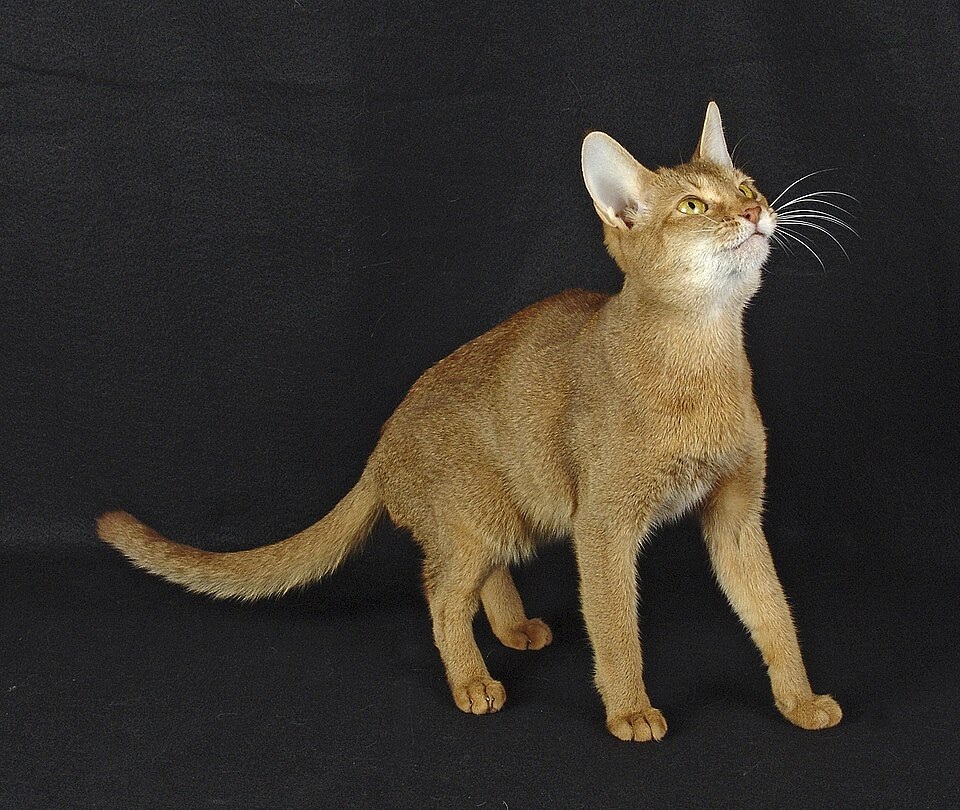
Food is another part of caring for those days, and the individual still matters. A “senior” label cannot know whether your dog or cat is carrying extra fat, losing muscle or living with a particular condition.
AAHA’s nutrition guidance calls for veterinary teams to assess body fat and muscle separately. An animal can lose muscle and gain fat without much change on the scale. The team also needs to know how the animal is eating and what they have been fed.
That is also why claims about adding years deserve careful reading. A product’s promise and evidence of a benefit in animals are different things. Before changing the food, ask the veterinary team what the change is intended to do.
04 / What makes a good day for this animal?
What makes a good day for this animal?
A favorite room can become harder to navigate with age. In AAHA’s senior-care framework, access to food, water, rest and toileting belongs alongside medical care.
AAHA’s senior-care guidance includes discussing ramps, suitable beds and rugs or mats for footing. Pick the everyday route that has become difficult and ask which change fits the animal: perhaps reaching the garden or a favorite resting place. The useful question is how to make that particular part of the day manageable, alongside medical care.
If your animal is having trouble reaching a favorite place, describe that difficulty to the team. A change at home may help with access, while an illness or pain may need treatment too.
“Better quality of life” becomes more understandable when it names a real pleasure: resting comfortably, eating without difficulty, or joining the household in a way the animal enjoys.
Bring a few of those details to the next appointment and ask which changes to keep track of at home. We cannot promise another birthday. We can keep the animal’s good days at the heart of the conversation.
KEEP EXPLORING
Recommended stories


Research details
Montoya and colleagues analyzed US clinical records to estimate life expectancy. These are observational associations, not evidence that changing one characteristic will add a specified number of years. Royal Canin funded the study; authors included Royal Canin and Banfield employees, both Mars businesses, and a MAD Environnement employee. AAHA supplies the separate senior-care and nutrition guidance. No individual lifespan is predicted.
Sources
-
American Animal Hospital Association. “Screening Evaluation.” 2021 AAHA Nutrition and Weight Management Guidelines, June 21, 2021. Read source.
-
AAHA. “Help! Is This a Pet Emergency?” September 5, 2024. Read guidance.
-
AAHA. “2021 AAHA Nutrition and Weight Management Guidelines for Dogs and Cats: Abstract and Introduction.” June 21, 2021. Read guidance.
- Montoya M and colleagues. “Life expectancy tables for dogs and cats derived from clinical data.” Frontiers in Veterinary Science, 2023. Read source.
-
American Animal Hospital Association. “Introduction: 2023 AAHA Senior Care Guidelines for Dogs and Cats.” AAHA. December 13, 2022. Read source.
Photo credits
- Lead photograph: dancing with wolves / Wikimedia Commons. Original photograph · CC BY 2.0. A Keeshond standing on grass with a curled, plumed tail. Illustrative photograph.
- Supporting photograph: IDS.photos from Tiverton, UK / Wikimedia Commons. Original photograph · CC BY-SA 2.0. A yellow Labrador Retriever standing in grass with its tail extended. Illustrative photograph.
- Additional photograph: Dr. Kristina Narfstrom, University of Missouri-Columbia / Wikimedia Commons. Original photograph · Public domain. An Abyssinian cat standing against a dark studio background. Illustrative photograph.


Featured photograph: Timothy A. Gonsalves. Photo source. CC BY-SA 4.0. Whole source frame proportionally resized.

Leave a Reply