

Which Grooming Tools Does a Long-Coated Dog Actually Need?
long-coat grooming tools
A small, well-understood kit can give a glorious coat the care it deserves.
There is something lovely about a well-cared-for long coat, from a Poodle’s curls to an Afghan’s flowing hair. The tools need to suit that coat’s texture, layers and trim, and the work you need to do. A suitable brush, a suitable checking comb and a demonstrated technique may be more useful than a drawer full of expensive equipment.
We’ll begin by getting to know the coat area by area, then look at the different jobs of brushes and combs. We’ll also consider specialist tools and why a mat needs professional attention rather than another tool chosen in hope.
A dense double coat, for example, needs a different approach from long, fine hair. Begin with an experienced groomer explaining your dog's actual coat. Once every tool has a job, grooming feels much less mysterious.
A NOTE FROM WATERSEDGE
We read the research, we talk to people who do this work, and we try to make complicated animal-health information easier to understand. What you're reading reflects how we've interpreted and organized what we found. It is educational, not veterinary advice, a diagnosis, or a treatment plan for your animal.
We're not perfect, and neither is the available research. Evidence changes, new work gets published, and what suits one animal may be wrong for another. Species, breed, age, weight and existing conditions all change the answer.
Use this as a starting point for your own reading and for the conversation with your veterinarian, particularly if your animal is on medication, is under treatment, has an existing condition, is pregnant, very young or very old, or if anything about their condition is changing quickly.
01 / Let’s begin by getting to know the coat
Let’s begin by getting to know the coat
A useful kit begins with knowing which part of the coat needs which kind of care. Ask the groomer to show how the approach changes across the body, ears, legs and tail. Note the areas they identify as prone to tangling and the tool and method for each. Age, coat changes and trim can alter the plan even within a breed.
A small photograph or sketch can hold the groomer’s explanation: which tool to use on each area and when resistance means you should stop. Keep that note with the tools. Ask for a demonstration on the actual coat before trying an unfamiliar specialist tool; owning it and understanding its job are different things.
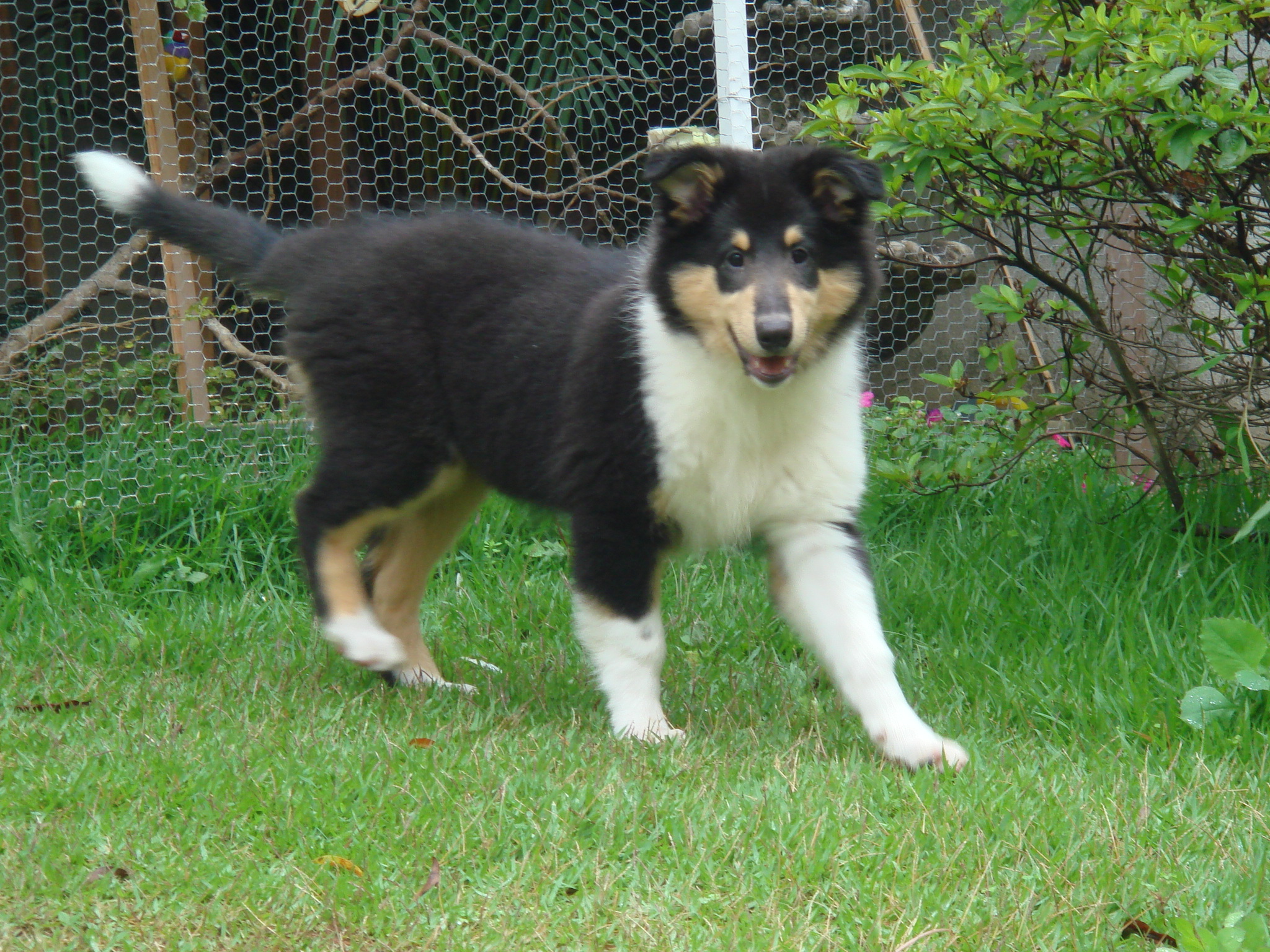
A short practical clip and extensive furnishings create different maintenance commitments. Ask for a routine your household can manage between appointments. If it repeatedly takes more time than you can provide, discussing another coat length is a thoughtful choice, not a failure of love.
02 / A brush and comb do different work
A brush and comb do different work
Next, let’s separate the tools that can look so similar in the drawer. Chris Christensen describes straight pins on its pin brushes and bent pins on its slickers, with further differences in pin length, cushions and head shape. Those are the manufacturer's accounts of its tools, not independent proof that one will outperform another on your dog.
Have the groomer demonstrate the right brush, pressure, angle and section size. A lovely handle cannot teach technique. Ask about section-by-section care, sometimes called line brushing, where appropriate: how to separate the hair, support the area and know when to stop.

A comb can reveal what a brush has missed beneath a smooth surface. Deborah Mayer and Brett Bunch's January 2021 AKC Gazette account describes checking a Tibetan Mastiff's coat after brushing and noticing resistance rather than yanking through it. That is advice for that coat, not a universal technique.
Ask which tooth spacing and length suit your dog and what resistance should tell you. Ask what to do if the comb catches, instead of pulling harder to finish.
03 / Know what a specialist tool removes
Know what a specialist tool removes
A large pile of removed hair may look impressive. It does not tell you whether the tool removed loose hair or cut coat you meant to keep.
Rakes, stripping tools, de-shedding tools and dematting tools do not all work alike. Some have blades or are intended for particular coat-management methods. Before adding one, ask a coat specialist:
- Does this exact tool cut hair or remove loose hair?
- Which parts of this coat suit it?
- What could it do to the finish we want to preserve?
- How should I recognize the point to stop?
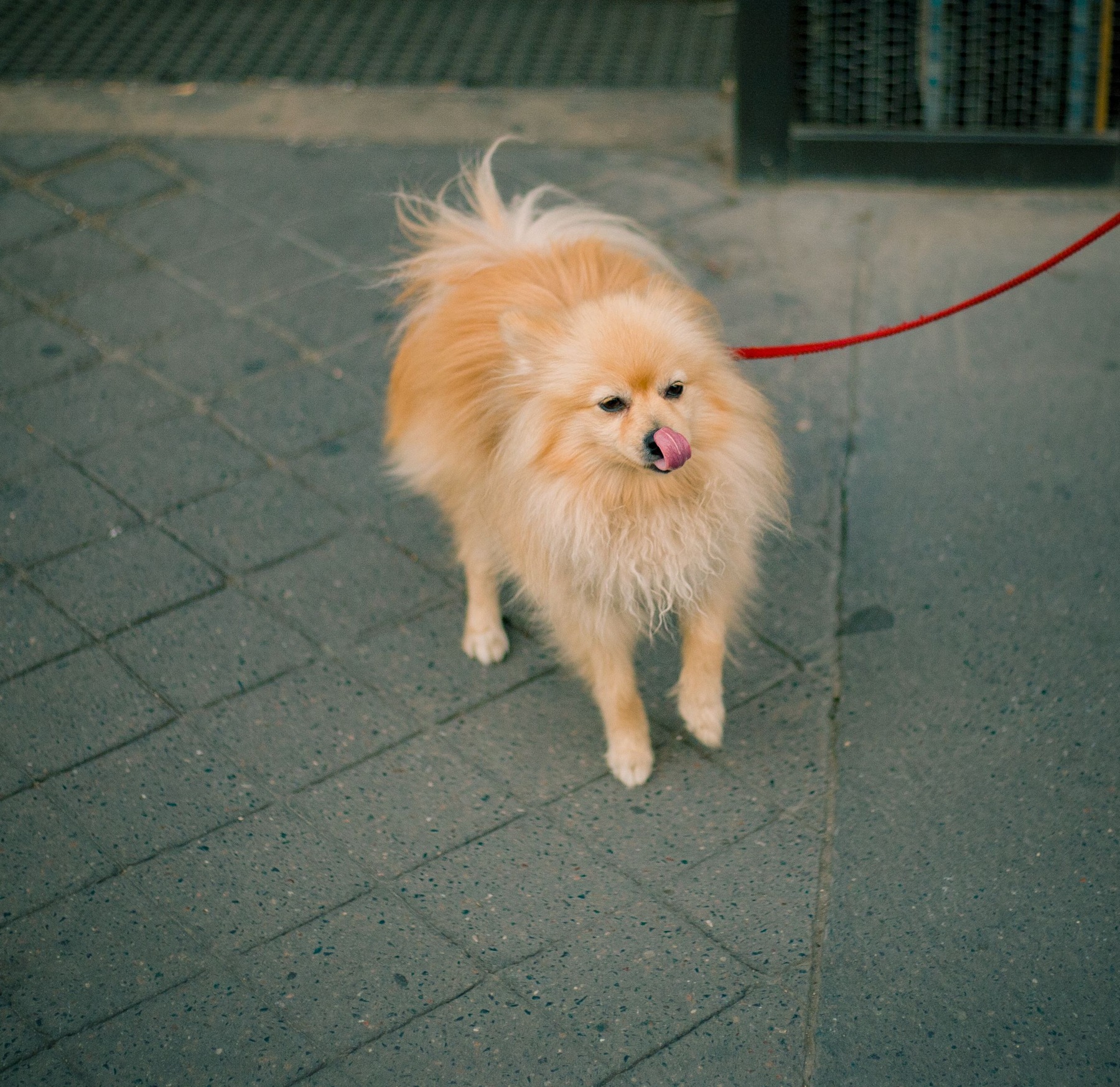
Maintaining long hair, grooming a wiry coat and removing loose undercoat are different tasks. If the description is vague, ask for explanation before trying it. The amount of hair collected is not a score; the animal's comfort and the intended task matter.
04 / A mat needs a different conversation
A mat needs a different conversation
An established mat changes the task from routine maintenance to a problem that needs assessment. The Animal Medical Center's May 2020 grooming article warns that scissors used on mats can cut the skin underneath. Tangled hair can hide skin, so scissors are not a reassuring answer simply because a brush has failed.
Tell the groomer what you found and how the dog responded. Pain, irritated skin or changed behavior belongs in the conversation with the veterinary team. The dog’s comfort matters more than preserving coat length.
After the immediate problem is addressed, ask whether the routine missed an area, the coat changed or another trim would help. The aim is to prevent another painful tangle, not to blame anyone.
Choose tools you can hold comfortably, clean as instructed and inspect for damaged pins or teeth. Head size matters for the area being worked, and replacement options deserve a look. We would welcome better independent comparisons that account for coat, technique and the animal's response. For now, bring your kit to the next grooming appointment and ask for a short demonstration on your dog. A few clear movements can be the most valuable addition to the drawer.
KEEP EXPLORING
Recommended stories


Research details
This article explains tool families and maintenance questions; it does not report comparative performance testing. Manufacturer guidance is identified as such. The Tibetan Mastiff example is breed-practitioner guidance, not an instruction to transfer the same routine to every long coat.
Sources
-
Chris Christensen. “The Four Main Brush Types: What Are They For and Why Do You Need Them?” Manufacturer educational article; originally published September 22, 2021.
-
Chris Christensen. “Brush Guide: Pin Brushes.” Manufacturer documentation; originally published April 14, 2021.
-
Chris Christensen. “Brush Guide: Slicker Brushes.” Manufacturer documentation; originally published May 21, 2021.
-
Mayer, Deborah, and Brett Bunch. Grooming and Deshedding a Tibetan Mastiff. AKC Gazette, January 2021. Pages 65–67.
-
Hohenhaus, Ann. “Grooming Your Pet During the Pandemic.” Animal Medical Center. May 13, 2020. Used for its warning about scissors cutting skin beneath hair mats.
Photo credits
Photo: dancing with wolves, “Majic,” via Wikimedia Commons. CC BY2.0. Source crop by Pharaoh Hound; further editorial crop by WatersEdge. Photo source · License

Collie filhote tricolor2.JPG. Photo: Leandro Prudencio, via Wikimedia Commons. CC BY 3.0. Proportionally resized; complete frame retained. Photo source · License

Photo: Imad Djaout, via Pexels. Pexels free license. Editorial crop and proportional resizing. Photo source · License
Featured photograph: Luis Miguel Bugallo Sánchez (Lmbuga Commons)(Lmbuga Galipedia) Publicada por/Publish by: Luis Miguel Bugallo Sánchez. Photo source. CC BY-SA 3.0. Whole source frame proportionally resized.

Leave a Reply