

Crate Training: Understand the Next Step
Entering, closing the door and being alone are different experiences.

Seeing a dog choose a comfortable resting place is a small household pleasure. A crate may become part of that routine, but its meaning changes when the door closes or the person leaves.
We’ll begin with the crate’s purpose, then separate the steps of closing the door, moving away and leaving. We’ll also look at puppy needs and how to describe the particular step your dog finds difficult.
At WatersEdge, we found that treating those changes separately makes the training question much clearer. “Crate-trained” is not one promise covering every situation.
A NOTE FROM WATERSEDGE
We read the research, we talk to people who do this work, and we try to make complicated animal-health information easier to understand. What you're reading reflects how we've interpreted and organized what we found. It is educational. It is not veterinary advice, a diagnosis, or a treatment plan for your animal.
We're not perfect, and neither is the available research. Evidence changes, new work gets published, and what suits one animal may be wrong for another. Species, breed, age, weight and existing conditions all change the answer.
Use this as a starting point for your own reading and for the conversation with your veterinarian, particularly if your animal is on medication, is under treatment, has an existing condition, is pregnant, very young or very old, or if anything about their condition is changing quickly.
01 / Let’s start with what the crate is meant to do
Let’s start with what the crate is meant to do
A crate makes more sense when we first name the job we want it to do. Rest, travel, managed access during puppyhood and prescribed recovery are different purposes. A crate may have a role in one without solving another.
The American Animal Hospital Association’s (AAHA) separation guidance says confinement can suit a dog already comfortable there while making another animal’s distress worse. It is not an all-purpose treatment for barking, destruction or difficulty being alone.
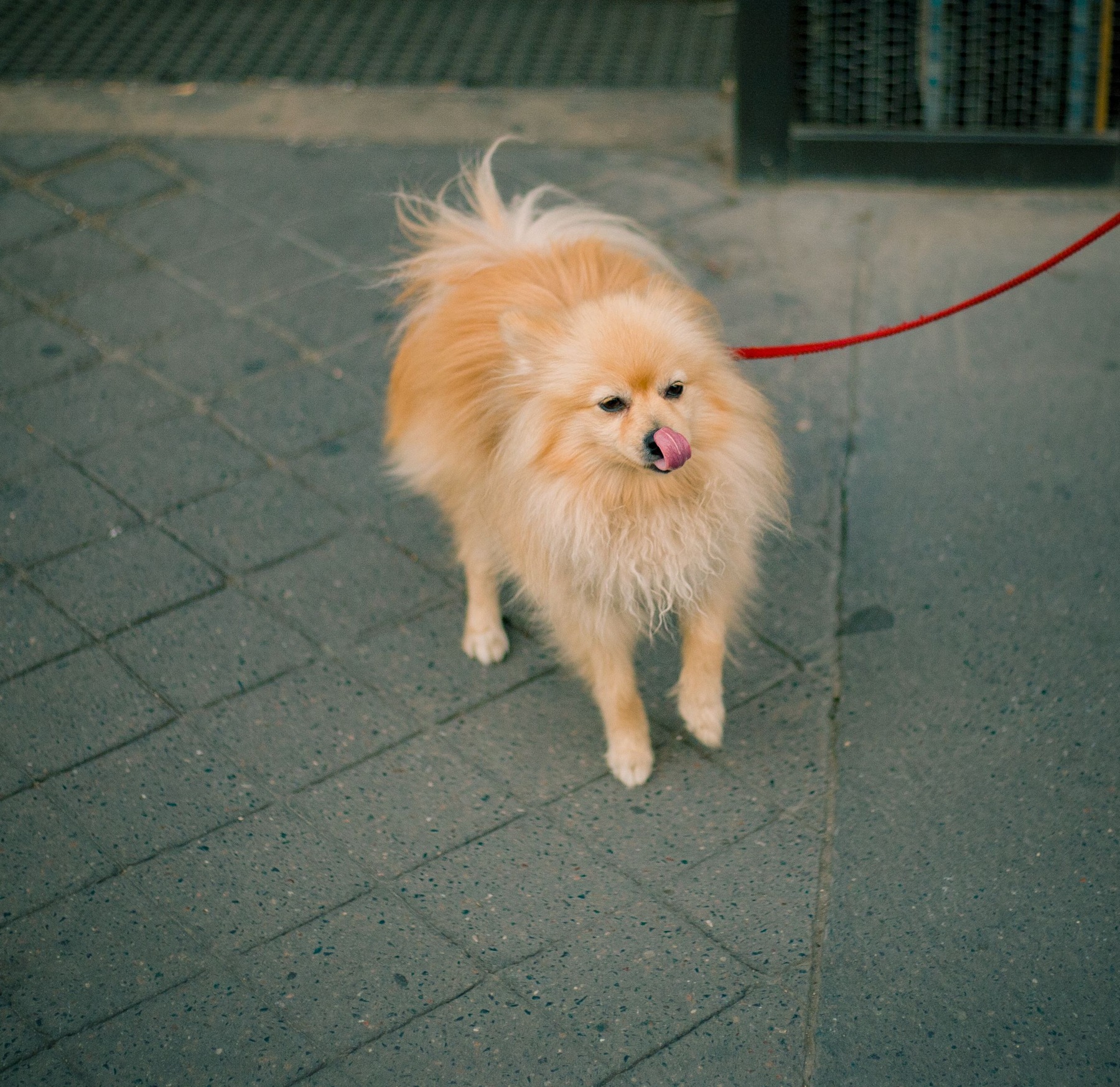
Start with why you need the crate and how your dog behaves in it. A stronger enclosure cannot resolve distress about being confined or left alone.
02 / Notice what changes between steps
Notice what changes between steps
Each change in the situation asks something different of the dog. Notice when difficulty begins in situations that already happen. Do not repeat distress just to get a video; tell the professional what you saw.
A dog may be comfortable with one of these steps and find the next difficult:
- Exploring with the door open.
- Staying after the door closes.
- Having the person move farther away.
- Remaining when the person leaves the room.
- Spending a longer period in the space.
A dog comfortably choosing the first has not demonstrated comfort with all the others. A qualified trainer or behavior professional can help the household understand the next manageable step.
Quietness also needs context. Resting peacefully and remaining awake but uneasy can both be silent. Notice naturally occurring posture, activity, settling and escape attempts without testing the dog’s limits.
03 / Small bodies still have needs
Small bodies still have needs

A puppy’s daily needs still shape the plan, however convenient a crate may seem. A crate cannot make a puppy wait longer to toilet. The Merck Veterinary Manual describes giving opportunities around the puppy’s routine, including waking, drinking and activity.
Plan around when your puppy actually needs to go, which may be sooner than a rule based only on age suggests.
Describe the full day outside the crate too: appropriate movement, exploration, interaction, enrichment, water, toileting and undisturbed rest. A well-made enclosure does not provide those needs by itself.
04 / Make the next conversation concrete
Make the next conversation concrete
Note when your dog seems comfortable and when they become uneasy. Does the difficulty begin as the door closes, as you move away, when you leave or after some time inside?
Persistent distress, panic or injury during escape attempts needs appropriate veterinary and behavior help. Do not repeatedly recreate a difficult confinement to obtain clearer footage.
Ask how the crate’s purpose, setup and introduction will fit your dog’s daily care. Choosing a resting place is lovely, but being silent behind a closed door does not by itself mean a dog is comfortable there. The aim is to understand what your dog can manage.
KEEP EXPLORING
Recommended stories


Research details
AAHA puppy and separation-anxiety guidance, together with AVSAB reward-based principles, inform the distinctions. Household examples are invented illustrations of differing purposes and learning conditions, not reported cases. No universal duration or individualized confinement protocol is supplied.
Sources
-
Merck Veterinary Manual. “Treatment of Behavior Problems in Animals.” Full review September 2024; updated September 2025. Read source.
-
American Animal Hospital Association. “What to do when you first bring home a new puppy.” AAHA. June 5, 2026. Read source.
- American Animal Hospital Association. “Separation Anxiety in Pets: Signs, Causes, and Solutions.” AAHA. Updated July 14, 2026. Read source.
- American Veterinary Society of Animal Behavior. “Position Statement on Humane Dog Training.” AVSAB position statement. 2021. Read source.
Photo credits
- Lead photograph: Zen Chung / Pexels. Original photograph · Pexels free license. An Akita beside a person and a table in a sunlit room. Illustrative photograph.
- Supporting photograph: Imad Djaout / Pexels. Original photograph · Pexels free license. A Pomeranian standing on a sidewalk with a red leash. Illustrative photograph. Crop made from original.
- Additional photograph: cri_supe / Wikimedia Commons. Original photograph · Public domain. A Basenji standing on grass with its tail curled upward. Illustrative photograph.

Featured photograph: Benutzer:JVO. Photo source. Public domain. Whole source frame proportionally resized.


Leave a Reply