

A Scratching Post Your Cat Can Actually Use
The best clues may already be on the sofa arm.

Watch a cat stretch into a good scratch: front legs reaching, paws gripping, back lengthening. It is a lovely feline movement to make room for, even if the sofa was not the surface you had in mind.
We’ll begin with why scratching belongs in a cat’s day, then watch the movement and surfaces your cat chooses. From there, we’ll look at placement and ways to protect furniture while still meeting that feline need.
Scratching is normal cat behavior. A post helps only if the cat can and wants to use it, so its shape, texture, stability and position matter.
A NOTE FROM WATERSEDGE
We read the research, we talk to people who do this work, and we try to make complicated animal-health information easier to understand. What you're reading reflects how we've interpreted and organized what we found. It is educational. It is not veterinary advice, a diagnosis, or a treatment plan for your animal.
We're not perfect, and neither is the available research. Evidence changes, new work gets published, and what suits one animal may be wrong for another. Species, breed, age, weight and existing conditions all change the answer.
Use this as a starting point for your own reading and for the conversation with your veterinarian, particularly if your animal is on medication, is under treatment, has an existing condition, is pregnant, very young or very old, or if anything about their condition is changing quickly.
01 / Let’s begin with why cats need to scratch
Let’s begin with why cats need to scratch
Our starting point is to make room for scratching, rather than ask a cat to stop being a cat. The American Animal Hospital Association (AAHA) identifies scratching as one of an indoor cat’s needs. A home needs suitable places for it, rather than a plan to eliminate scratching altogether.
Research in households already providing scratching equipment found that unwanted scratching could still occur. The study found links with household circumstances and activity, but could not establish what caused the scratching.
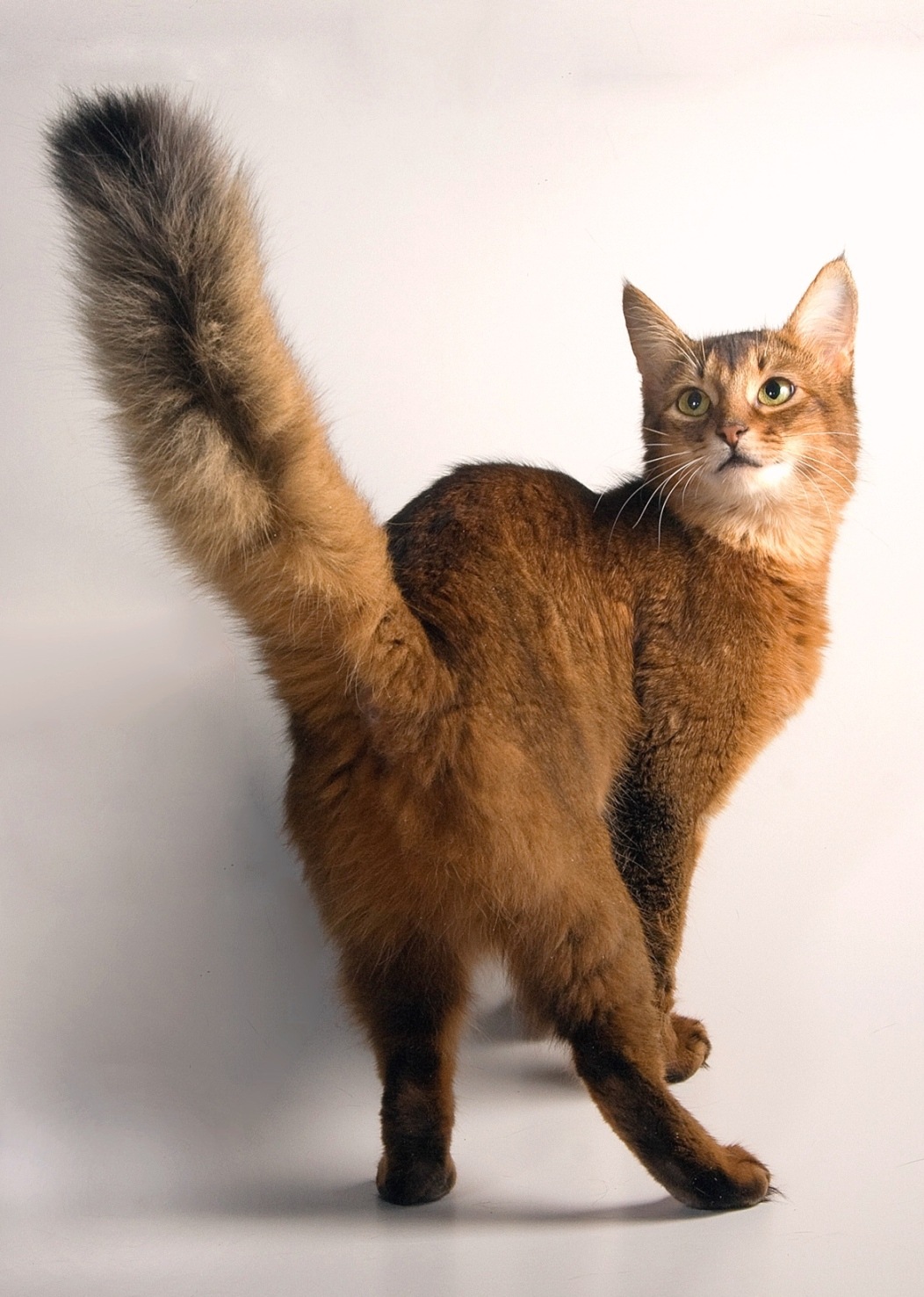
If a cat keeps scratching the sofa despite having a post, look at the post’s stability, texture and location, and how the cat chooses to scratch.
02 / Notice the movement they choose
Notice the movement they choose
If your cat chooses the sofa arm, watch how they use it. There is no need to encourage more scratching to answer these questions:
- Is the movement upward, horizontal or angled?
- Can the cat stretch through it?
- Does the surface stay steady under pressure?
- Which texture catches their attention?
- Where does scratching happen in their daily route?
A scratcher that shifts under the cat’s paws may not suit them. A cat who scratches a flat surface may prefer a horizontal scratcher to an upright post.
03 / Location makes the invitation useful
Location makes the invitation useful
A post hidden neatly away can be far from the places where the cat actually lives. AAHA’s enrichment guidance includes scratching opportunities near meaningful areas, including resting places.
Before moving the new scratcher from room to room, note where the cat actually scratches and whether the surface is vertical or horizontal. Follow the maker’s assembly and fixing instructions, and keep the usable area clear. Then you can discuss the cat’s real pattern rather than repeatedly presenting a beautiful object in an inconvenient corner.
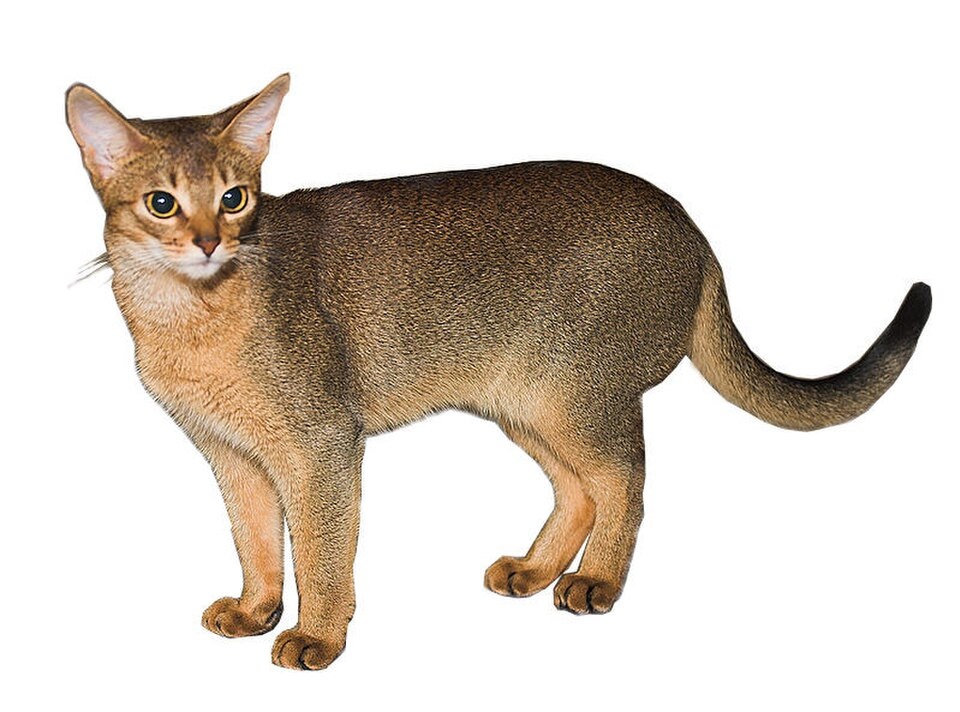
The home looks different from the animal’s level. Routes and access matter, especially when several cats share the space. Check whether each cat can reach and use the scratcher comfortably.
Materials also offer different sensations. Cardboard, rope and fabric should not be treated as a universal ranking; the individual cat’s use is the relevant observation.
04 / Protect the furniture and understand the need
Protect the furniture and understand the need
It is reasonable to care about the sofa. Protecting it is only part of the solution.
Protecting the sofa does not give the cat somewhere suitable to scratch. Providing a post is a start, but its texture, position or shape may not suit the cat. Frightening them away from a surface leaves that need unanswered.
If the difficulty persists, ask your veterinary team or a qualified feline behavior professional for help. Describe how and where the cat scratches and which surfaces they choose. Include changes in access or household relationships.
Your cat’s choice of surface can help you understand what they need. Look at how they stretch, what their paws grip and where they like to scratch. Those details tell you more than the price or appearance of the new post.
KEEP EXPLORING
Recommended stories


Research details
AAHA guidance supplies the environmental context. Demirbas and colleagues’ 2024 study examined caregiver reports from selected single-cat homes with existing unwanted scratching and available equipment; its associations do not establish causes or rank products. Ceva funded the study and three authors were company employees. Household examples are illustrative. No scratching product was tested and no universal material preference is asserted.
Sources
-
Demirbas, Y. S., and colleagues. “Evaluating undesired scratching in domestic cats: a multifactorial approach to understand risk factors.” Frontiers in Veterinary Science, July 3, 2024. Read source.
-
American Animal Hospital Association. “Purrfectly Entertained: Indoor Enrichment for Cats.” AAHA. January 8, 2025. Read source.
- American Animal Hospital Association. “Behavior and Environmental Needs: Young Adult Cats.” AAHA. February 18, 2021. Read source.
- Feline Veterinary Medical Association. “2024 AAFP Intercat Tension Guidelines: Recognition, Prevention, and Management.” Feline Veterinary Medical Association. 2024. Read source.
Photo credits
- Lead photograph: User:Lightburst / Wikimedia Commons. Original photograph · CC BY-SA 4.0. A Bengal cat reaching upward with its front paws against a red studio background. Illustrative photograph.
- Supporting photograph: Матвеева Ирина Владимировна / Wikimedia Commons. Original photograph · Public domain. A Somali cat standing against a pale background with its plumed tail raised. Illustrative photograph.
- Additional photograph: Desaix83, after a photograph by Martin Bahmann / Wikimedia Commons. Original photograph · CC BY-SA 3.0. An Abyssinian cat standing against a white background. Illustrative photograph.


Leave a Reply